REVIEW · PORTO
Porto: Port and Douro Wine Walking Tour with 9 Tastings
Book on GetYourGuide →Operated by EFun Tours · Bookable on GetYourGuide
Port wine isn’t just a drink here. It’s an afternoon education in Vila Nova de Gaia’s cellar world. I love the hands-on pacing of this 3-hour walking tour—you taste across three wine houses and actually learn how Port styles and Douro wines differ, not just what to like. My other favorite part is the guide-led teaching: names like Maria and Joao pop up in past groups, and they clearly bring both clarity and personality. The only real drawback is the pace and amount of wine—no food is included, so if you show up hungry, you’ll feel it.
What makes this tour worth your time is that it’s built for comparison. You don’t just sample a random flight; you work through Port and Douro profiles in a way that helps your palate notice the differences as you go. One consideration: the experience isn’t aimed at kids or anyone with mobility limits, and there’s some walking between stops.
If you want a Porto-area wine activity that’s easy to fit into a short stay—and still feels like you did something specific—this is one of the smarter choices.
In This Review
- Key Things I’d Pay Attention To
- Why Vila Nova de Gaia Is the Right Place for Your First Port Education
- Starting on the Riverfront: Meeting Point and How the Tour Flows
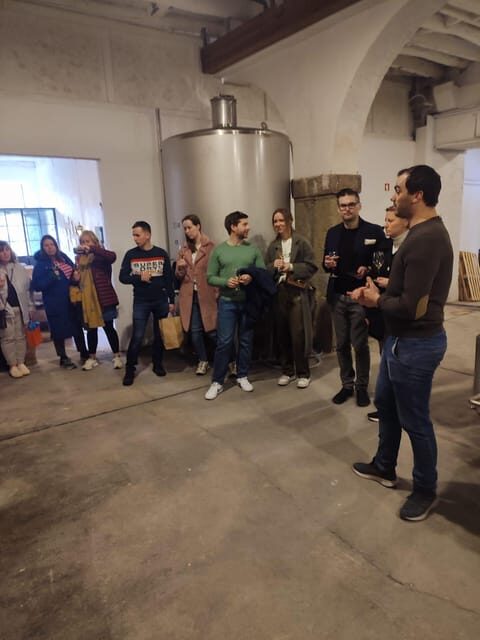
- Stop 1: Vasques de Carvalho and Your First Taste of the Styles
- Stop 2: Fonseca Port Wine Cellars and the Moment Things Get Real
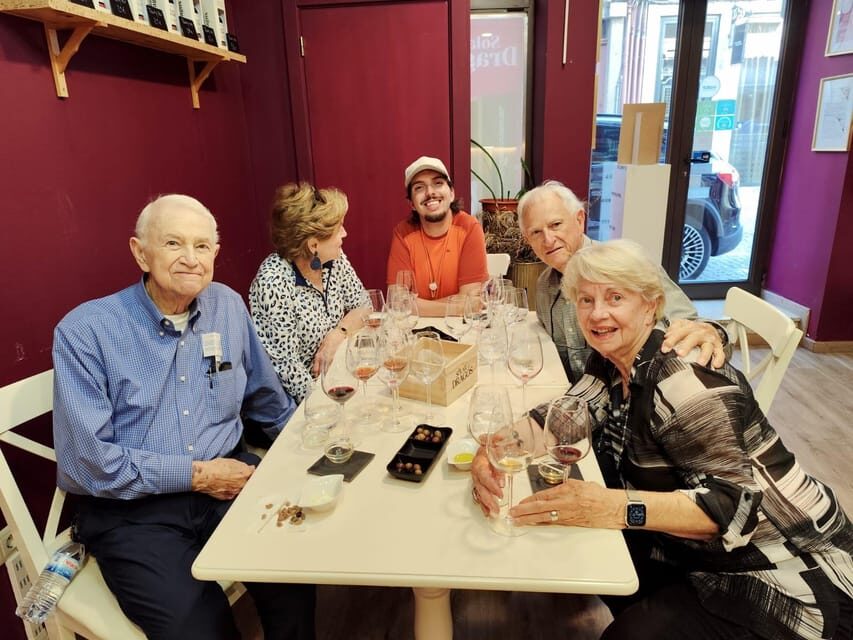
- Stop 3: Solar dos Dragos and the Final Tastings (Where the Fun Usually Peaks)
- What 9 Tastings Actually Buys You (Beyond the Number)
- Walking Time and Group Energy: Easy to Do, Not Too Much to Carry
- Pricing and Value: Why This Costs $57 and How It Holds Up
- Practical Tips So You Don’t Waste a Drop of the Education
- Who This Tour Is Best For (And Who Should Skip It)
- Should You Book This Porto and Douro Wine Walking Tour?
- FAQ
- Where do I meet the guide?
- How long is the tour?
- What’s included in the tour?
- Do I need lunch or snacks?
- What languages is the tour offered in?
- Is it okay for kids or people with mobility impairments?
Key Things I’d Pay Attention To
- 9 tastings, 3 stops: Enough variety to learn, not so many that you lose the thread.
- Vila Nova de Gaia cellar district: You stay in the famous wine-country zone across the river from Porto.
- Port vs Douro lesson style: You’re taught what you’re tasting, not just handed a glass.
- Behind-the-scenes cellar time: Each stop is its own atmosphere and teaching moment.
- Small-group feel: Easier to ask questions and stay engaged (even if your group isn’t a talk group).
- Plan food around the tastings: Bring lunch plans or you may get a little too tipsy too soon.
Why Vila Nova de Gaia Is the Right Place for Your First Port Education
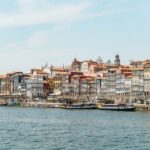
Porto gets most of the postcard attention, but Vila Nova de Gaia is where the wine tradition lives. This tour keeps you on the Gaia side, in the walkable area packed with tasting rooms and cellars. That matters because you spend your energy on wine and learning, not on logistics.
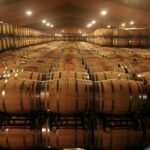
Also, the setting does something subtle. When you’re standing in classic cellars and tasting in a working wine house environment, Port makes more sense. It’s easier to connect flavors to craft when you can literally see the wine-world you’re learning about.
And because this is a guided walking tour, the whole thing stays human-scale. You’re not stuck in one building for hours. You’re moving, chatting, and resetting your palate between tastings.
More Port wine tasting experiences in the Douro Valley & northern Portugal

Starting on the Riverfront: Meeting Point and How the Tour Flows
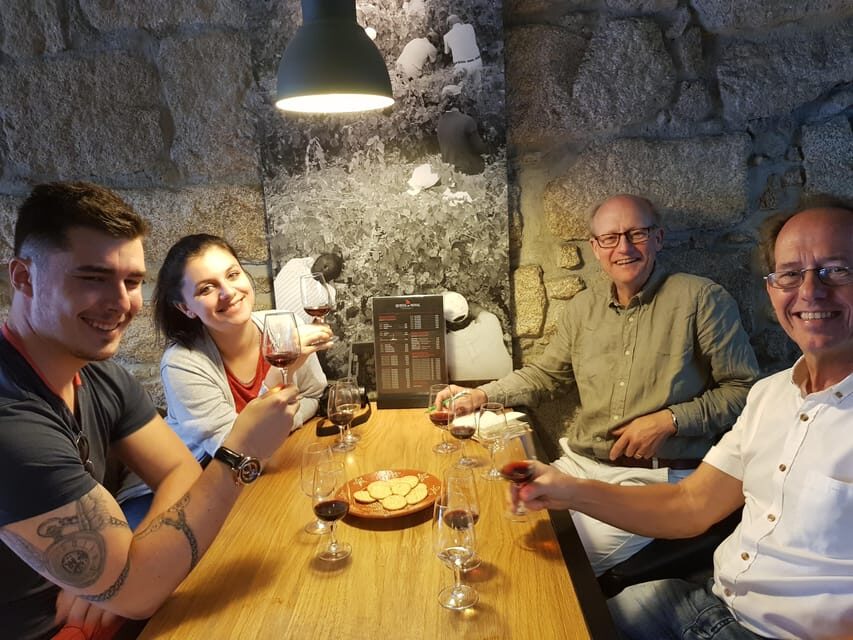
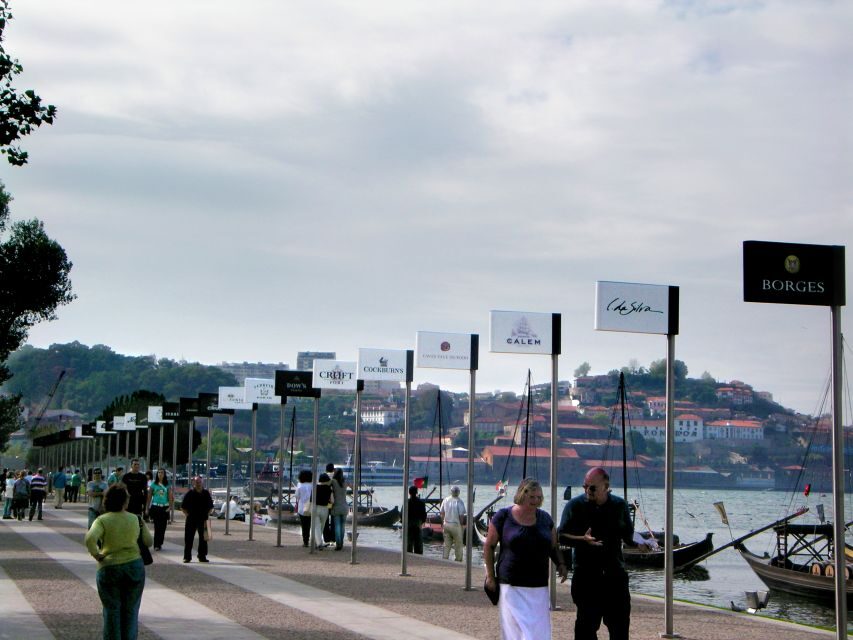
You meet your guide outside the Posto de Turismo / Loja Interativa de Turismo on the main sidewalk along the riverfront. Aim to arrive about 10 minutes early so you’re not rushed into the first tasting.
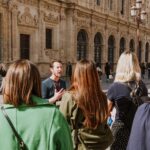
From there, the flow is straightforward: you move to three wine houses in Vila Nova de Gaia, and each stop is anchored by a tasting session. Expect it to be guided and paced, with the guide coordinating timing so the wine lesson feels coherent rather than chaotic.
You should also know the tour runs in all weather. That doesn’t mean it turns into misery—it means you’ll want shoes you can trust on uneven ground and you should dress for wind, rain, or sun.
Stop 1: Vasques de Carvalho and Your First Taste of the Styles
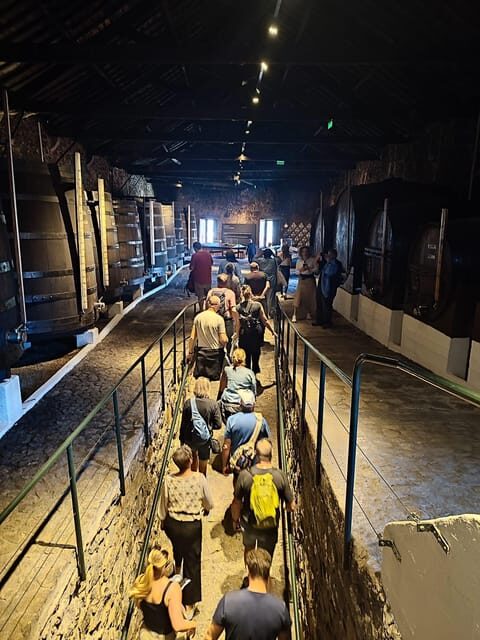
The tour begins with Vasques de Carvalho, followed by a tasting session that sets your baseline. This first stop is where the guide’s teaching usually has the most impact because you’re not yet jaded by multiple pours.
Even when you don’t consider yourself a wine person, that first tasting matters. Port and Douro wines can all feel related once you’re a few sips in, so getting off to a clear start helps you notice differences later. The goal here is not to identify a label by taste; it’s to learn what to look for in the glass as the variety changes.
One practical note: many people learn the hard way that Port can sneak up. If you have a sensitive stomach or you know your tolerance runs low, pace yourself at stop one.
Stop 2: Fonseca Port Wine Cellars and the Moment Things Get Real
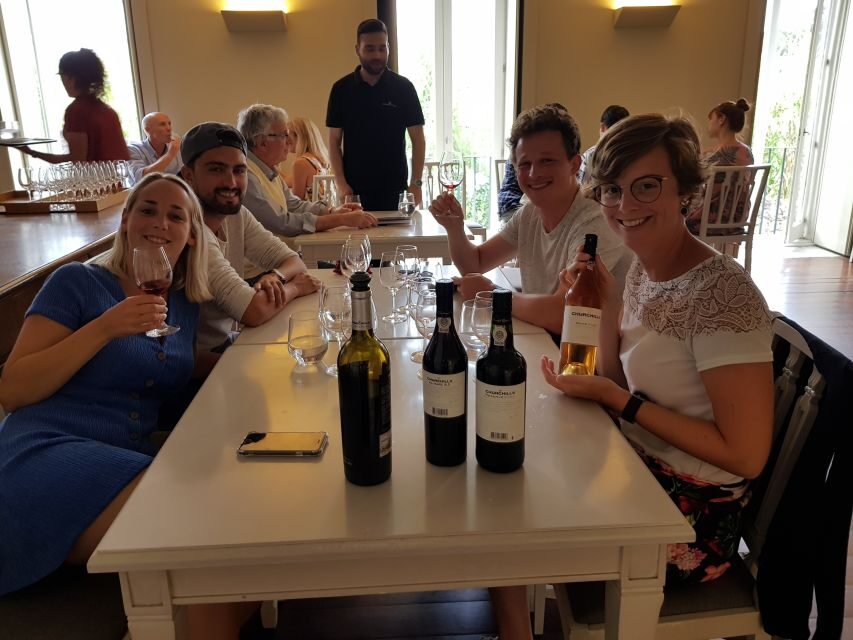
Next comes the Fonseca Port Wine Cellars. This is a major name in the Port world, and the atmosphere is part of the experience. In a cellar setting like this, Port history and production stop being abstract terms and start feeling like something you could explain to a friend.
This stop is also where the tour’s teaching becomes more useful. You’re not just tasting; you’re learning distinctions between Port styles and the way Douro wines show up differently. By now, your palate has a reference point from the Vasques de Carvalho tasting, so comparison becomes easier.
I like that the guide keeps you moving conceptually. You’re guided toward tasting with attention—how it looks, smells, and tastes—so the flight actually becomes a lesson rather than a drinking marathon.
Stop 3: Solar dos Dragos and the Final Tastings (Where the Fun Usually Peaks)
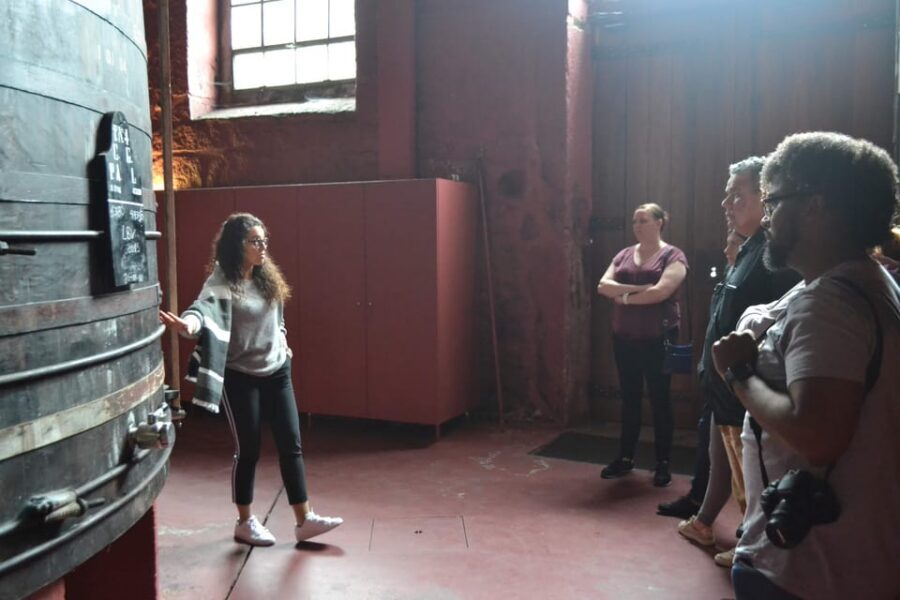
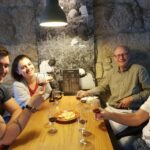
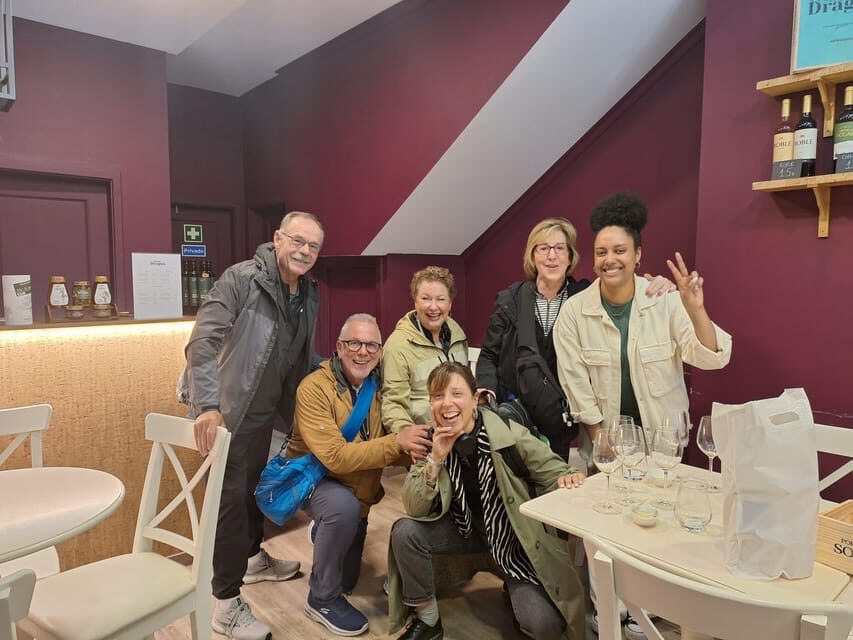
The last stop is Solar dos Dragos Porto & Douro Wines. This is where the tour tends to feel most relaxed and social because the group has warmed up. You’ve already built the framework of what Port and Douro styles are about, so the final tastings can feel like you’re confirming what you learned rather than re-learning everything from scratch.
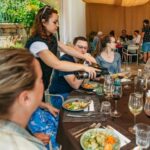
This stop is also the one where food pairings may happen. Some groups have reported pairing wines with items like bread, olive oil, and cheese. Since food is not listed as guaranteed in the general tour details, treat it as a nice bonus rather than a core plan.
If you take only one strategy from this tour, make it this: go into the last stop with a lighter pace than your first two. There are a lot of pours built into the total experience, and the final samples are often the ones you’ll remember most—especially if you’re still clear-headed enough to notice the differences.
More hiking & walking in the Douro Valley & northern Portugal
What 9 Tastings Actually Buys You (Beyond the Number)
The headline is 9 tastings in about 3 hours. That sounds simple until you realize what you’re really getting: repeated opportunities to taste, compare, and correct your own impressions. Most casual wine sampling fails because you forget what the first glass tasted like by the time you reach the fifth.
Here, the structure helps your brain. Each tasting builds on the last. By the time you’re toward the end, you’re not starting from zero—you’re refining.
The tour also explicitly teaches differences between Port styles and Douro wines. That’s the big value. Port isn’t one thing; it’s a family of styles, and Douro wines aren’t just “Port’s cousin.” Learning what makes them different gives you a better purchasing eye later, whether you buy a bottle immediately or ship something home.
And don’t miss the historical context. You’ll learn about the Douro Valley as the first demarcated wine region. That detail gives the whole Port story a backbone—why the region mattered and why the wines carry that sense of place.
Walking Time and Group Energy: Easy to Do, Not Too Much to Carry
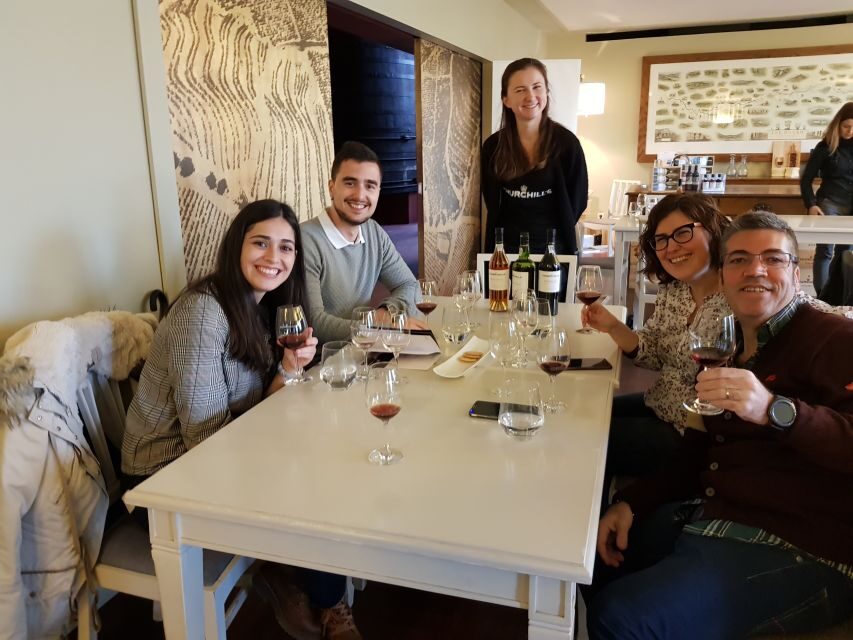
You’ll do a small amount of walking between cellars. The good news is that this isn’t the kind of hike where your legs take over your attention. You’re moving in an area designed for tasting, so it feels like a guided stroll with purpose.
Another plus: you’re not navigating on your own. You’re showing up at specific houses, getting taught at the tasting bar, and then walking a short distance to the next one. That keeps your day simple, especially if you’re coming from Porto for half a day.
What to bring is easy too: comfortable shoes. And skip large luggage or big bags—those aren’t allowed.
Pricing and Value: Why This Costs $57 and How It Holds Up
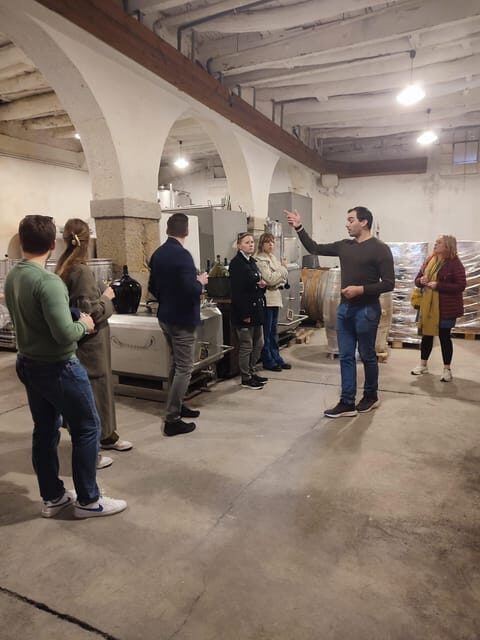
At $57 per person, this is priced for the real experience: a local guide, a set visit to three wine houses, and 9 tastings in a 3-hour format. If you tried to replicate this on your own, you’d likely pay for tastings at multiple places plus guide time—or you’d end up doing only one cellar and miss the comparison.
The value also comes from the teaching format. A tasting where someone explains what you’re tasting is more useful than collecting a few empty glasses. You can go home and remember the differences because you were taught how to notice them.
If you’re a wine lover, that matters even more. This tour gives you enough structure that even if you buy nothing, you leave with a better sense of what you personally like.
Practical Tips So You Don’t Waste a Drop of the Education
If you do this tour, treat it like an afternoon course, not just a casual sip session.
- Eat beforehand. Food isn’t included, and the tastings add up. Multiple past participants have stressed that lining your stomach first makes everything more enjoyable.
- Go slow early. Your first two tastings set the stage, but you want to stay alert enough to really taste the later samples.
- Bring water habits. Water isn’t listed in the basic details as an included item, but it’s common for guides to manage pacing. Still, if you’re sensitive to alcohol, plan to hydrate as you can.
- Ask questions when you have them. The tour is guided and designed for small-group attention, so you’ll get more out of it if you speak up at least once.
Also, dress for the weather. This tour runs in all conditions, so you’ll want layers you can adjust.
Who This Tour Is Best For (And Who Should Skip It)
This is a strong pick if you want an easy, guided Porto-area wine experience that teaches you more than it entertains you. It’s ideal for wine-curious travelers who like structure, short walking segments, and a clear “from there to here” plan.
It also works well if you’re traveling solo. The small-group format makes it easier to meet people without the awkwardness of forcing conversations.
But skip it if you need a fully accessible experience or if children are part of your travel plans—this tour is not suitable for people with mobility impairments and it’s not for children under 18.
Should You Book This Porto and Douro Wine Walking Tour?
I’d book it if you fit any of these:
- You have about half a day and want a focused wine experience in Vila Nova de Gaia.
- You care about learning the differences between Port styles and Douro wines, not just drinking.
- You enjoy guided tastings where someone explains what you’re tasting as you go.
- You want good value: three wine houses, 9 tastings, and a local guide in ~3 hours.
I’d hesitate if you hate walking at all, need a fully accessible route, or you’re allergic to the idea of alcohol-heavy scheduling without included food. In that case, pick a lighter tasting option where the pace is calmer.
Overall, this is one of the better ways to understand Port fast. You’ll taste widely, learn clearly, and leave with a more confident palate—exactly what you want from a first Porto-area Port tour.
FAQ
Where do I meet the guide?
Meet your guide outside the Posto de Turismo / Loja Interativa de Turismo on the main sidewalk along the riverfront in Vila Nova de Gaia.
How long is the tour?
The tour lasts about 3 hours.
What’s included in the tour?
You get a professional local guide, visits to three wine houses, and 9 wine tastings of Port and Douro wines, plus information on production and tasting techniques.
Do I need lunch or snacks?
Lunch and food are not included. Since you’ll be tasting multiple wines, it’s smart to plan food before you go.
What languages is the tour offered in?
The tour guide provides English and Portuguese.
Is it okay for kids or people with mobility impairments?
No. The tour is not suitable for children under 18 and it’s not suitable for people with mobility impairments.