REVIEW · PORTO
Porto and Gaia: Walking Tour of Douro’s Two Riversides
Book on GetYourGuide →Operated by Guides and Tours · Bookable on GetYourGuide
Porto and Gaia feel like two chapters of the same story. This 2-hour walking tour links the city’s founding moments with the Douro’s power, then adds modern street art where you might not expect it. I like that the route moves fast enough to stay fun, but slow enough to make sense of what you’re seeing.
Two things I especially liked: you get real context for Portugal’s Age of Discoveries right at the start, and you also walk through Porto’s oldest streets with a clear explanation of how the Douro River shaped daily life. I also appreciate the guide format—small group (up to 10) and English or Spanish—so questions actually fit into the pace.
One drawback: it’s still a walking tour with short guided stops, so if you’re planning this on a day with major hills, build in extra time to rest your legs afterward. And it’s not suitable for wheelchair users, so plan accordingly.
In This Review
- Key highlights you can count on
- Two rivers, one plan: how this 2-hour tour really works
- Starting at Jardim do Infante Dom Henrique and the Age of Discoveries
- Church of Saint Francis: faith that shaped the streets
- Casa do Infante: the Porto origin story in one small site
- Ribeira and Barredo: Porto’s oldest streets and the price of popularity
- Alminhas of the Bridge and the Douro’s life-and-trade reality
- Dom Luís Bridge crossing: seeing two cities without leaving the story
- Gaia’s wine legacy at the Serra do Pilar Monastery
- Half Rabbit meets Corpus Christi: modern art and old legend in one stop
- What you won’t do (and why that can be a plus)
- Price and value: $32 for a structured history-and-streets blend
- Who this tour suits best (and who should skip it)
- Should you book Porto and Gaia: Walking Tour of Douro’s Two Riversides?
- FAQ
- How long is the Porto and Gaia walking tour?
- Where does the tour start?
- What major sites are included in the walk?
- Is food or drinks included?
- Are wineries included in the tour?
- What languages is the guide available in?
- What group size is this tour?
- Is the tour suitable for wheelchair users?
- Is cancellation free?
Key highlights you can count on
- Henry the Navigator’s Porto beginning: start at Jardim do Infante Dom Henrique and connect his story to how Portugal reached four continents
- Porto’s religious landmarks: Church of Saint Francis and its standout place in Portuguese faith
- Old-neighborhood street-level history: Ribeira and Barredo, including how tourism and gentrification are changing these areas
- Medieval Porto through the walls and gates idea: learn customs and the Douro as Porto’s life source
- Gaia’s contrast zone: the modern Half Rabbit sculpture alongside the classic Corpus Christi Convent
- Port wine explained without a winery visit: why Port is special—and not just “wine with a name”
Two rivers, one plan: how this 2-hour tour really works
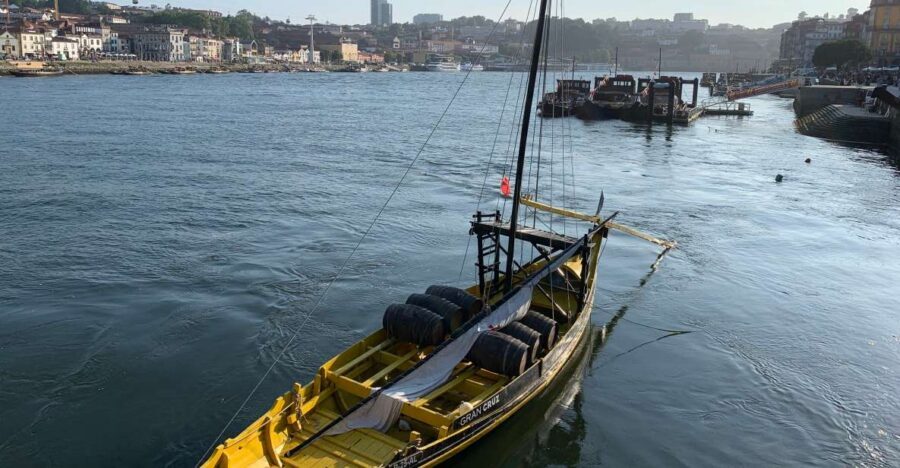
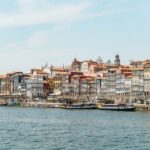
This is the kind of tour that helps you get your bearings fast. You start in Porto, walk through the riverfront and older quarters, then cross over on foot to Gaia. In just two hours, you’ll cover enough ground to feel like you touched both sides of the Douro’s “real job”: moving people, goods, and power.
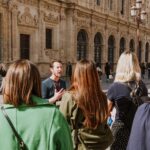
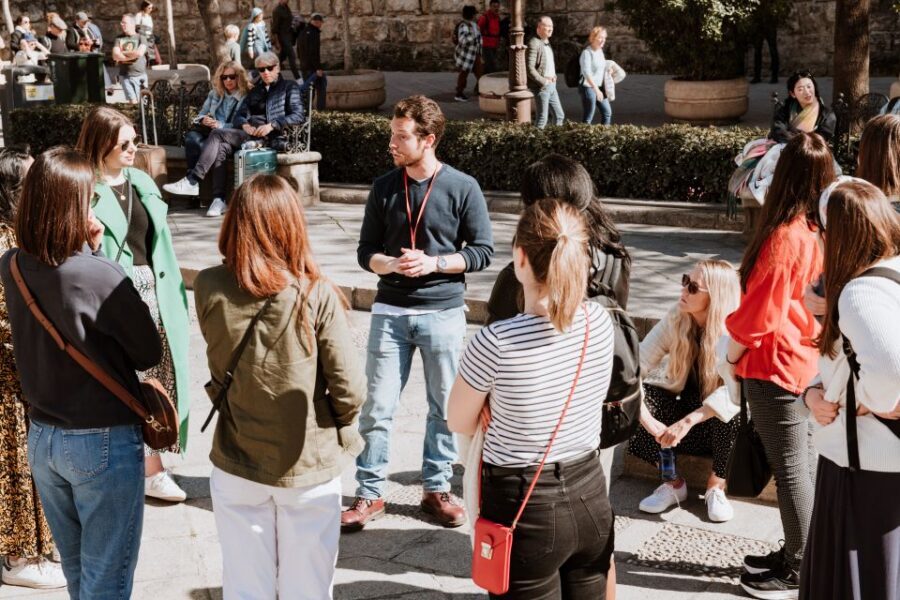
The small-group size (limited to 10) matters more than it sounds. With a bigger group, those 15-minute guided segments can start to feel like “look and move.” Here, you’re more likely to catch the why behind the what—especially when the guide points out urban details like bridge sculptures or church cues.
One practical note: there are multiple stops with guided explanations (often 10–15 minutes each), so this isn’t a “wander at your own pace” stroll. It’s structured walking with context. If that’s your style, you’ll enjoy it a lot.
More hiking & walking in the Douro Valley & northern Portugal
Starting at Jardim do Infante Dom Henrique and the Age of Discoveries
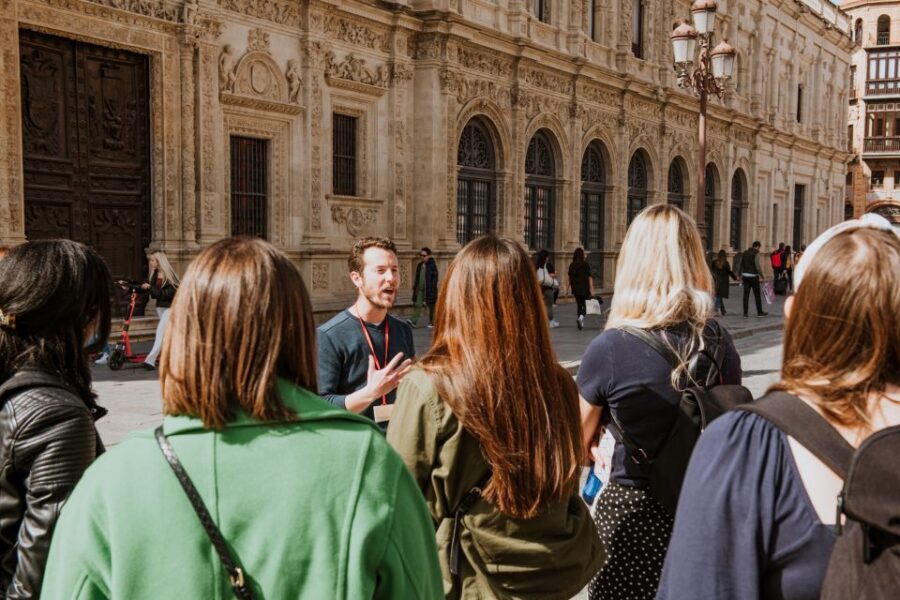
The tour begins at Jardim do Infante Dom Henrique, specifically at the foot of the statue with a blue umbrella. That’s a nice concrete meeting point. You’re also starting in the right emotional place: Porto’s connection to Henry the Navigator (Infante of Sagres).
Here’s what I like about starting with Henry: it’s not just a biography lesson. The tour uses his birthplace to explain the big-picture idea that Portugal’s influence didn’t appear out of nowhere. You’ll hear the story of how Portugal came to span four continents—then you connect it to what Porto has historically been good at: seafaring, trade, and momentum.
You also pass a major stop early on: the Palácio da Bolsa, where you get a short guided visit (about 15 minutes). Even if you’re not an architecture fanatic, this is a useful anchor. The Porto Stock Exchange is described as the first in Portugal, and it helps you see Porto as a trading city, not just a postcard city.
Church of Saint Francis: faith that shaped the streets
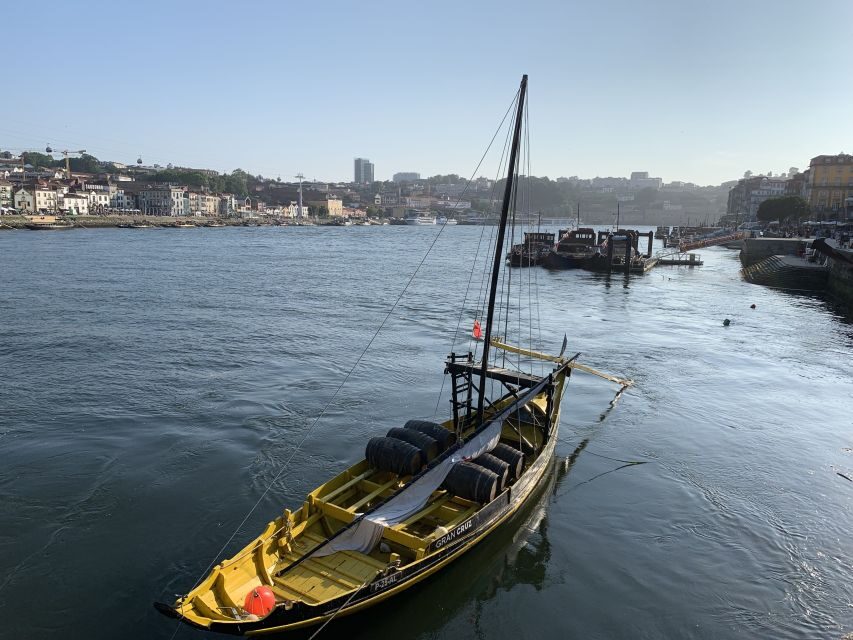
Next up is the Monument Church of Saint Francis, again with a guided visit (about 15 minutes). This stop works well because it doesn’t treat religion as a separate “museum item.” The tour frames faith as a defining part of Portuguese culture, then points you toward what that means in real urban form.
Why this matters for you: churches like this aren’t just landmarks you photograph. They help explain why certain streets, ceremonies, and local identities still feel sticky even when the neighborhood changes. If you’ve ever wondered why Portuguese cities can feel deeply layered without being chaotic, religious architecture is one of the clues.
Casa do Infante: the Porto origin story in one small site
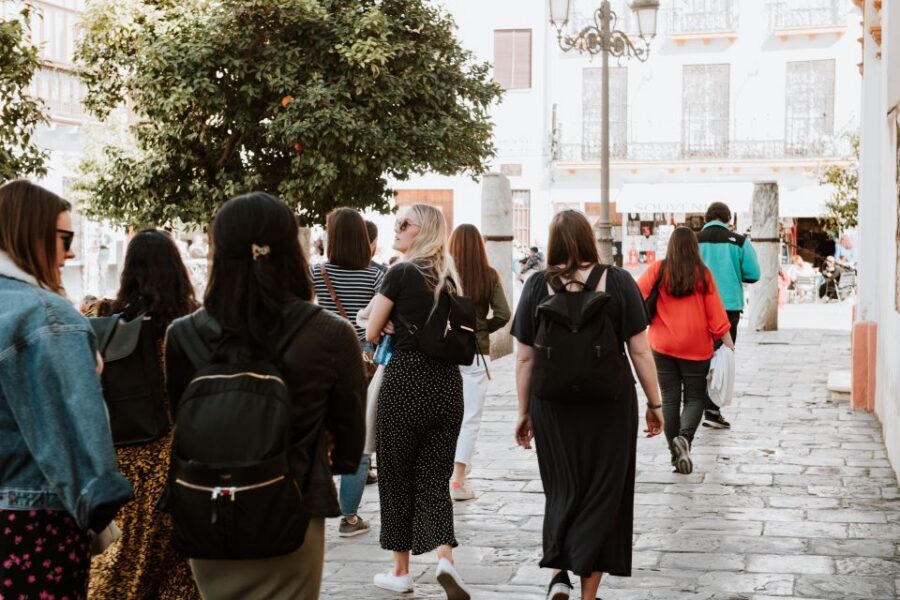
After that, you’ll visit Casa do Infante with another guided segment (around 15 minutes). Henry the Navigator is one part of the story; Casa do Infante is another, tied to Porto’s role in Portugal’s early rise.
This is the kind of stop that can feel short—but in a good way. It gives you a focal point. You’re not trying to memorize a timeline; you’re connecting Porto’s identity to the Age of Discoveries so the later streets and bridges feel like more than scenery.
Ribeira and Barredo: Porto’s oldest streets and the price of popularity
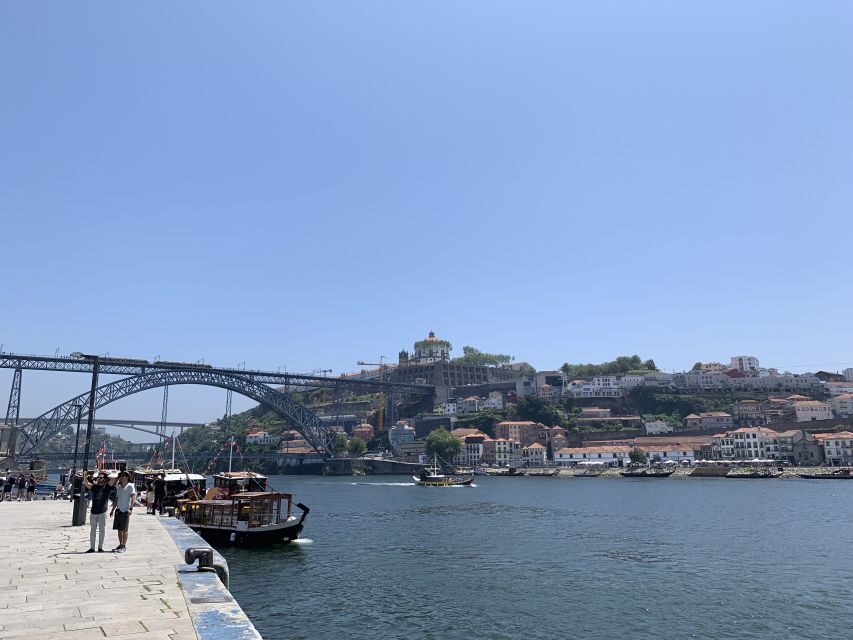
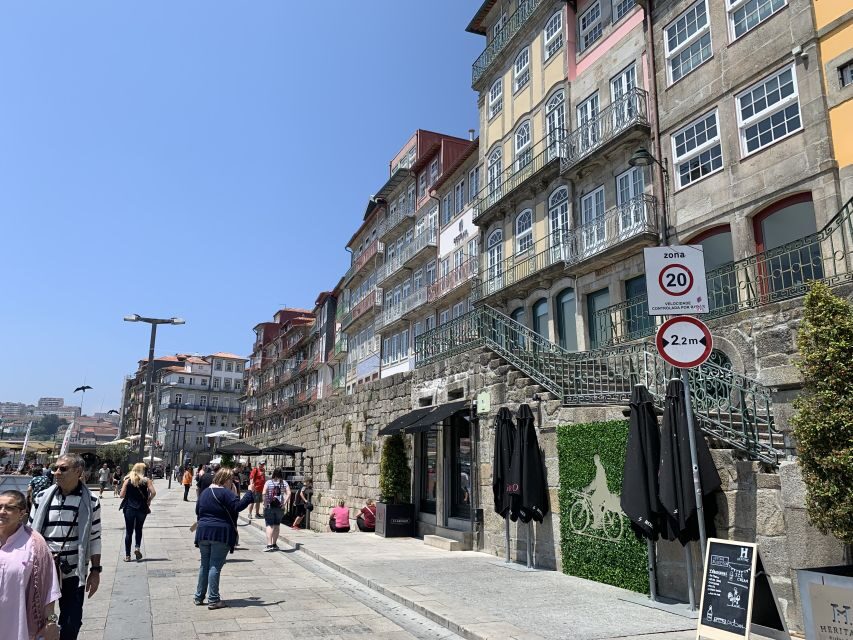
Then the tour turns toward street-level Porto with Ribeira and Barredo, guided around the riverside and older quarters (with stops such as the Cais da Ribeira). You get short guidance at key points (about 15 minutes each).
This is where the tour becomes practical for future exploring. Porto’s riverside can look like one continuous tourist zone, but Ribeira and Barredo have different rhythms. The tour explains their past and present, and—importantly—what the future might look like as tourism and gentrification reshape historic streets.
That matters because it changes how you look. Instead of asking, Can I still see the real Porto? you start asking, What parts are aging, what parts are being rebuilt, and what kind of compromise the city is making to survive?
More combo tours to Amarante, Lamego & Mateus in the Douro Valley & northern Portugal





Alminhas of the Bridge and the Douro’s life-and-trade reality
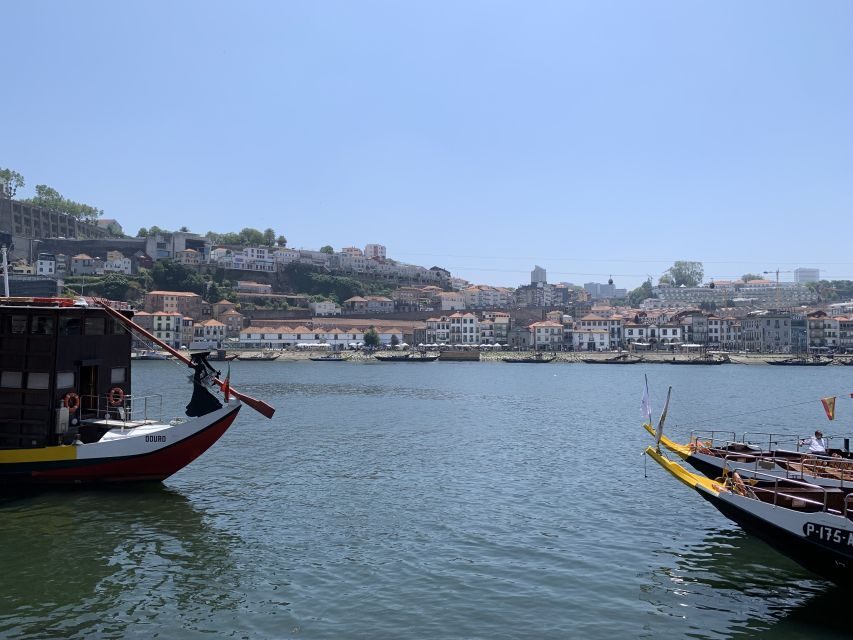
One of the most meaningful transitions comes when you talk about the Douro River as Porto’s life source. You’ll hear stories tied to medieval Porto—walls, gates, customs, plus bridges and the human drama around invasions, royalty, legends, and villains.
In between those big themes, you also get a tangible detail: the Alminhas of the Bridge stop. These kinds of religious street features can look small until someone explains what they are for. Here, it adds a human scale to the broader “river shaped everything” idea.
Dom Luís Bridge crossing: seeing two cities without leaving the story
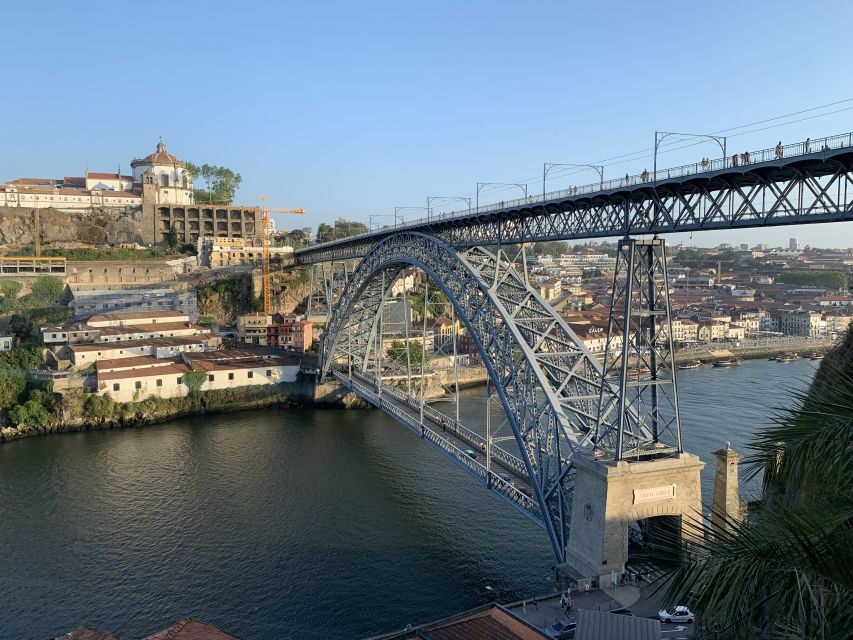
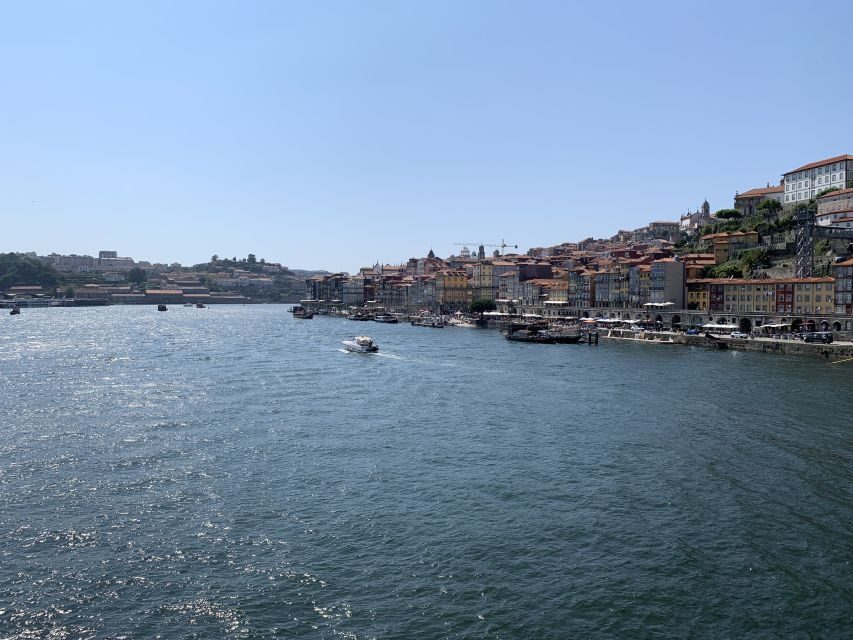
Next is Dom Luís Bridge, with a guided stop (about 15 minutes). Even if you’ve already seen photos, walking the bridge is different because you feel the scale. You also get the sense that Porto and Gaia are inseparable—two towns technically separate, but connected by daily movement and by the river’s role in trade.
The tour then continues on foot toward Gaia (around 10 minutes of walking). This is a good pacing choice. It keeps you moving while you’re still emotionally “in the middle” of the story.
Gaia’s wine legacy at the Serra do Pilar Monastery
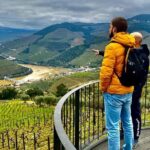
Once you reach Vila Nova de Gaia, you’ll get guided time there (about 15 minutes). The tour focuses on Gaia’s identity around wine cellars and the Serra do Pilar Monastery, which is UNESCO-listed.
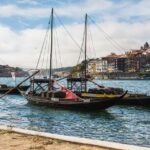
The key value here: the tour doesn’t just say wine is important. It explains why Port wine’s story is unique. Even without visiting a winery, you’ll learn the core idea: Port is not simply wine, and it’s not just a brand name. It’s tied to how the region’s production, history, and river-based transport shaped a whole category of drinking culture.
If you’re the type who likes to understand what you’re about to eat or drink later, this sets you up perfectly for exploring on your own after the tour.
Half Rabbit meets Corpus Christi: modern art and old legend in one stop
Gaia also brings a strong contrast. You’ll see modern, controversial urban art—specifically the Half Rabbit sculpture—set against older, legendary religious architecture like the Corpus Christi Convent.
The tour includes a guided visit to Convento de Corpus Christi (about 15 minutes). The point isn’t just to admire it. It’s to show how the area holds onto classic stories while making space for contemporary expression.
Why I think this stop is smart: you get to compare atmospheres in a short time window. When you’re done, you’ll know that Gaia isn’t just where you go to drink wine. It’s also where the city tests what it can be now, without throwing away what it was.
What you won’t do (and why that can be a plus)
You don’t visit a winery on this tour, and the tour explicitly focuses on explaining Port wine rather than taking you through a tasting. That can be a plus for two reasons.
First, it keeps the tour within the tight 2-hour frame. You’re not losing time to production explanations, pouring schedules, or the logistics that come with tastings.
Second, you walk away with context you can use immediately. When you later choose a wine cellar or tasting, you’ll have the story in your head already. You’re less likely to treat it like a random activity and more likely to treat it like a continuation of what the guide taught you.
Price and value: $32 for a structured history-and-streets blend
At $32 per person for about 2 hours, this sits in the “small investment, big orientation” category. You’re paying for guidance plus entry-guided time at major sites like Palácio da Bolsa, Church of Saint Francis, and Casa do Infante (each with short guided segments), plus the crossing and neighborhood context.
Is it a bargain? For a tour that covers both Porto and Gaia and explains Douro river life, you’re getting a lot of interpretive value. If you’re the type who reads plaques slowly and still wants someone to connect the dots, this kind of structure usually pays off quickly.
If you’re not much into guided stops and would rather roam freely, then the price only feels right if you like the itinerary format. This is built to be guided, not self-guided.
Who this tour suits best (and who should skip it)
This tour is a great fit if you want:
- a compact way to understand Porto’s roots and why the Douro mattered
- a blend of monuments and regular street life (including older neighborhoods and modern art)
- a small-group format in English or Spanish with room for questions
It’s not the right fit if:
- you need wheelchair accessibility
- you prefer long, unstructured wandering without set stops
- you’re expecting a food-and-drink experience (food and drinks aren’t included)
Should you book Porto and Gaia: Walking Tour of Douro’s Two Riversides?
If you want Porto and Gaia to make sense quickly, book it. The route is designed for orientation: you start with Henry the Navigator, you learn why the Douro River is central to Porto’s identity, and you end with a Gaia contrast that shows how the city holds old legend and new street expression in the same day.
Also, pay attention to who guides you. One verified booking praised a guide named Eric as one of the best they’d had and even shared his friendly nickname Oso. That’s a strong signal that the guide experience can be a real highlight, not just background narration.
If you’re short on time, comfortable with walking, and you like history explained through real places rather than just dates on a screen, this is a smart choice.
FAQ
How long is the Porto and Gaia walking tour?
It lasts about 2 hours.
Where does the tour start?
The meeting point is at the foot of the statue with a blue umbrella in Jardim do Infante Dom Henrique.
What major sites are included in the walk?
The tour includes Palácio da Bolsa, Monument Church of Saint Francis, Casa do Infante, Cais da Ribeira, Alminhas of the Bridge, Dom Luís Bridge, Vila Nova de Gaia, Convento de Corpus Christi, and it also covers the Serra do Pilar Monastery.
Is food or drinks included?
No. Food and drinks are not included.
Are wineries included in the tour?
No. The tour does not include a winery visit, though it explains the story of Port wine.
What languages is the guide available in?
The live guide speaks English or Spanish.
What group size is this tour?
It’s a small group limited to 10 participants.
Is the tour suitable for wheelchair users?
No, it is not suitable for wheelchair users.
Is cancellation free?
You can cancel up to 24 hours in advance for a full refund.