REVIEW · PORTO
Porto and Gaia: Walking Tour of Douro’s Two Riversides
Book on Viator →Operated by Amsterdam Guías & Tours · Bookable on Viator
Porto feels different from both sides of the river. This walk strings together famous sights in Porto and Gaia, then finishes near wineries where you can add a port tasting if you want. It’s priced as a solid, guided way to see the city without racing around.
I especially like the small group setup (max 15), which makes it easier to hear your English-speaking guide and ask questions. And the route makes practical sense: you start in the historic core, work down toward the water, then cross the Douro on foot into Gaia.
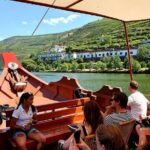
One thing to watch: the last stop includes port sipping as an extra option, so budget for that if you want the full experience. Also, if you’re expecting any short boat/water segment, confirm what’s actually guaranteed on your day, since river logistics can change.
In This Review
- Key moments at a glance
- Two Rivers, One Afternoon: How This Porto-to-Gaia Walk Works
- Where You Meet: Starting at Jardim do Infante Dom Henrique
- Porto’s Big Three: Stock Exchange Palace, St. Francis, and Casa do Infante
- The Alminhas da Ponte Detour: Why the Bridge Story Feels Personal
- Crossing the Douro on Foot: The Part That Changes Your Perspective
- The Gaia Ending: Winery Area, Port Cellars, and That Extra Tasting Option
- Value Check: What You’re Really Paying For
- Guide Energy Matters: Sofia, Susana, Michael, and Arturo
- Who This Tour Suits Best (and Who Might Want Something Else)
- Should You Book This Porto and Gaia Walking Tour?
- FAQ
- FAQ
- How long is the Porto and Gaia walk?
- What time does the tour start, and where does it begin?
- How big is the group?
- Is the port tasting included?
- Does the tour cross the Douro River?
- Is free cancellation available?
Key moments at a glance
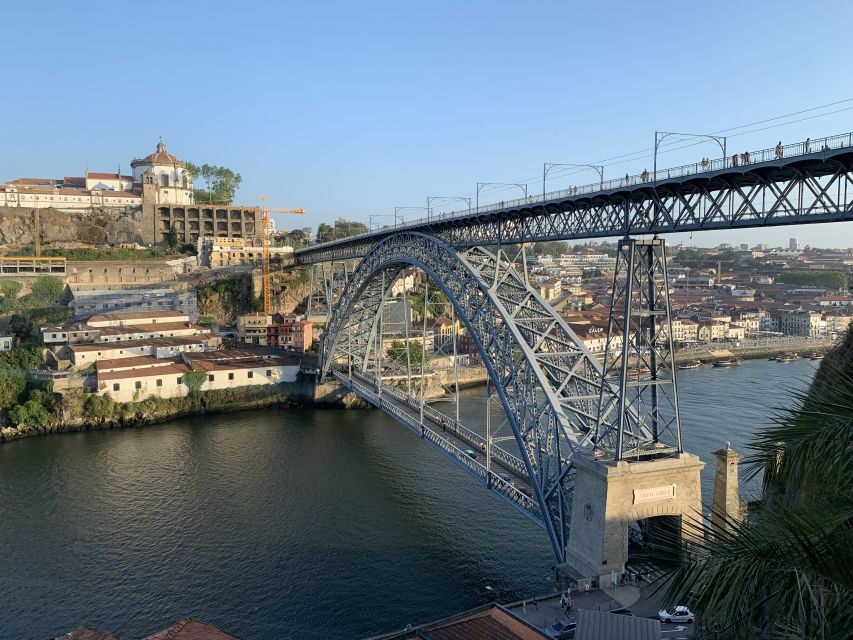
- Jardim do Infante Dom Henrique is a great “get your bearings fast” start in the heart of Porto
- Palácio da Bolsa, Igreja de São Francisco, and Casa do Infante pack a lot of meaning into a short stroll
- Alminhas da Ponte ties the riverside to the 1809 bridge collapse story
- Crossing the Douro on foot helps you feel how Porto and Gaia mirror each other
- Gaia winery-area ending is convenient if you want to continue with port tastings on your own
- Small group size (up to 15) keeps the tour personal and easy to follow
Two Rivers, One Afternoon: How This Porto-to-Gaia Walk Works
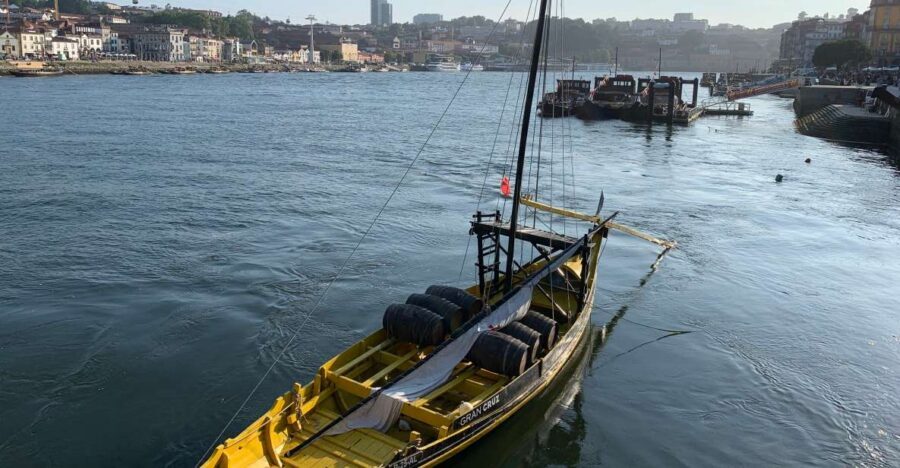
This is a 2-hour, early-evening-feeling walk that starts at 2:30 pm and takes you through the parts of Porto where history and everyday life sit side by side. You’re not just ticking boxes—you’re moving along the riverside line where the city’s story makes sense. Henry the Navigator stuff in Porto, bridge tragedy at the water, and then wine-country gravity in Gaia.
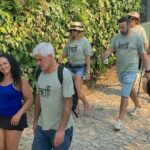
What helps is the group size: with a max of 15, you can keep up without feeling like you’re herding cats. Your guide speaks English and Spanish, and you’ll get personalized recommendations on how to enjoy the city like a local—useful when you’re trying to decide where to eat near your next walk.
The price ($36.74) lands in the “worth it” zone if you value a guide for context. You’re paying for interpretation, not just walking. If you already know every building name and want only views, you could DIY it—but for most visitors, the added meaning pays back quickly.
More hiking & walking in the Douro Valley & northern Portugal
Where You Meet: Starting at Jardim do Infante Dom Henrique
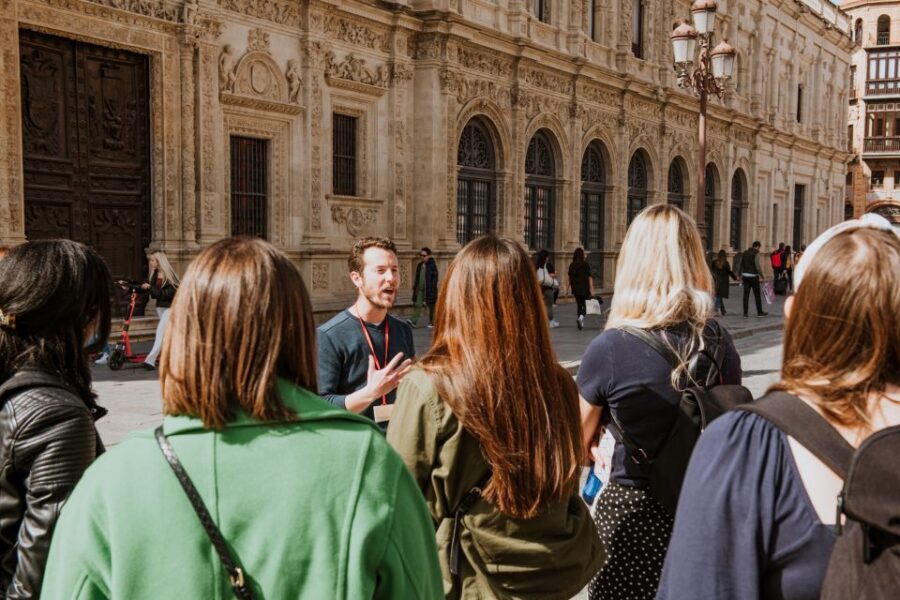
The tour meets at Jardim do Infante Dom Henrique (Rua do Infante Dom Henrique), a central spot that’s easy to find and works like a visual anchor. Henry the Navigator isn’t just a name here—the square connects to the discovery-era story that Porto likes to tell.
Why this matters: starting here reduces the “Where am I?” stress that can slow down an afternoon. You can quickly orient yourself, and the guide can set the stage before you start moving toward the historic center and the river.
You’ll also appreciate that the tour is near public transportation. That’s not glamorous, but it’s practical. When your day already includes multiple neighborhoods, you want the start and end points to be painless.
Porto’s Big Three: Stock Exchange Palace, St. Francis, and Casa do Infante
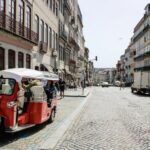
As you move deeper into the historic center, the stops hit major Porto landmarks that many visitors only see from the outside. One highlight is the Portugal’s first Stock Exchange palace, Palácio da Bolsa. It’s the kind of building that makes you stop and look up because the architecture turns “old” into “impressively precise.”
Next comes the Church of St. Francis (Igreja de São Francisco)—a standout example of how faith shaped Portuguese art and public life. Even if you’re not a hardcore church person, you’ll understand why this one gets attention: it’s built to command focus.
Then there’s Casa do Infante, declared a UNESCO World Heritage Site. This is the kind of stop that gives you a human-sized connection to the city’s past. Rather than treating Porto as a backdrop, you start seeing it as a place with people, roles, and turning points.
A practical note: most of these stops are short windows (you’re moving as part of a walking route), so wear comfortable shoes. The tour is “easy pace,” but you’ll still be walking enough to feel it by the end.
The Alminhas da Ponte Detour: Why the Bridge Story Feels Personal
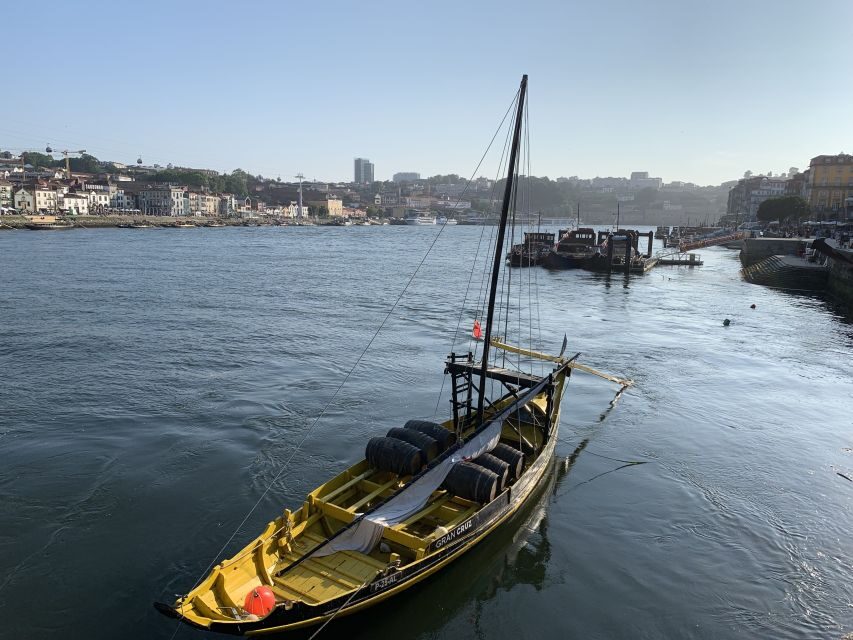
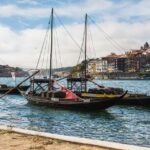
Near the river you’ll reach Alminhas da Ponte, the monuments that honor the tragic bridge collapse of 1809. It’s not a sight made for selfies—it’s made for memory.
This stop works well because it shifts the tour from grand buildings to real consequences. Bridges here aren’t just architecture. They’re connection, trade, invasion routes, and the fragile part of daily life that can change in an instant.
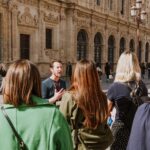
Your guide shares stories about bridges that link places and power plays—French invasions, kings, legends, and heroes. You don’t need to be a history buff to appreciate it. It’s the kind of storytelling that makes you look at the river and think, Okay, this mattered.
Crossing the Douro on Foot: The Part That Changes Your Perspective
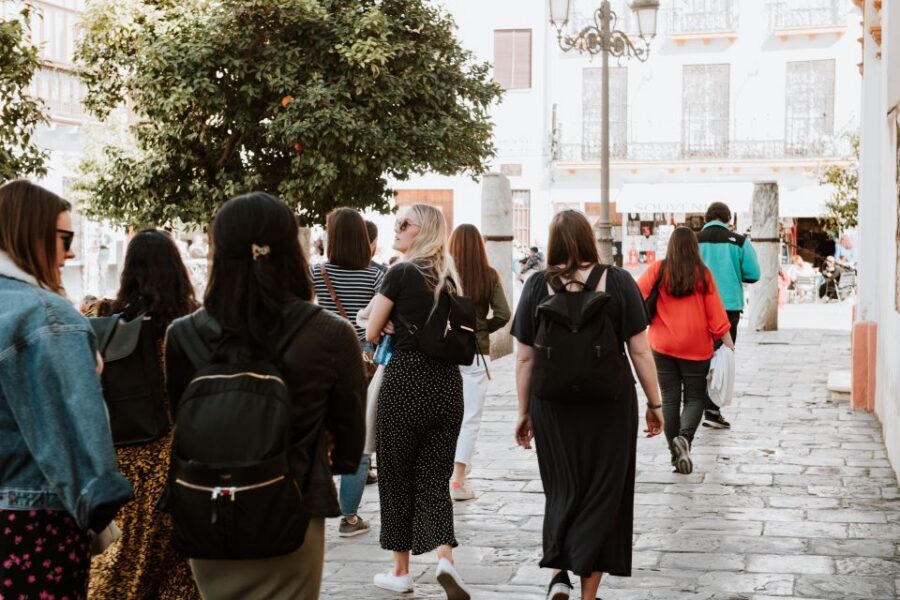
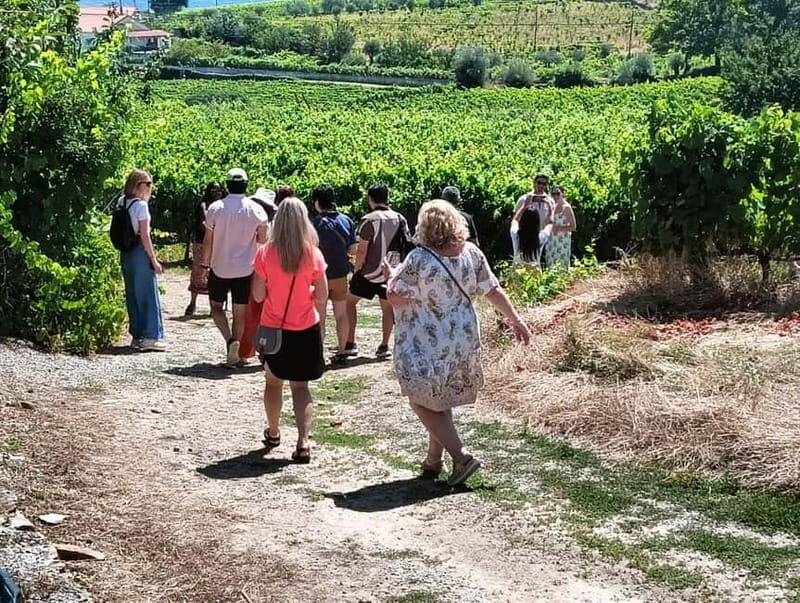
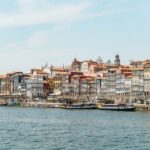
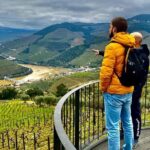
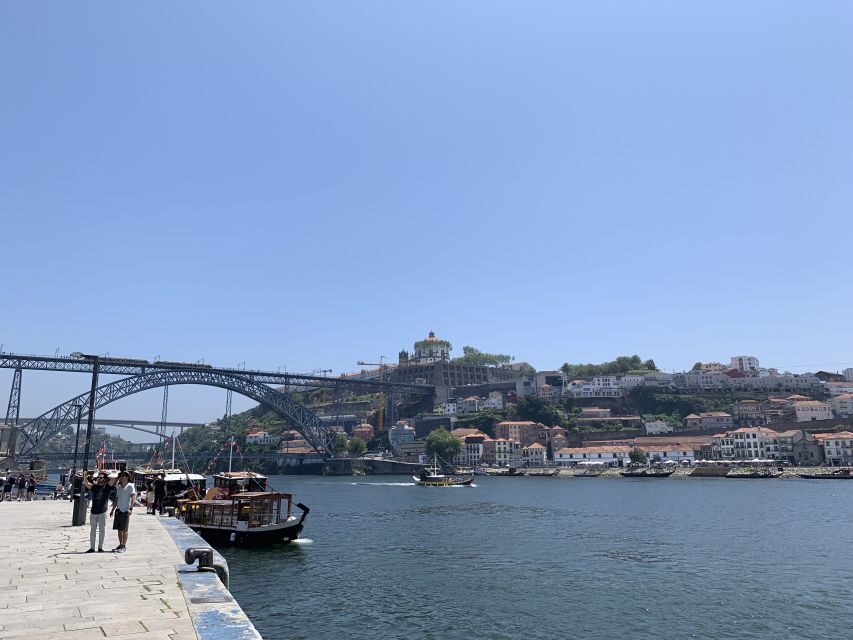
One of the best parts of this route is the Douro River crossing on foot. You’re not just looking at the river—you’re moving with it. That physical connection helps you understand how Porto and Gaia face each other like twin stages.
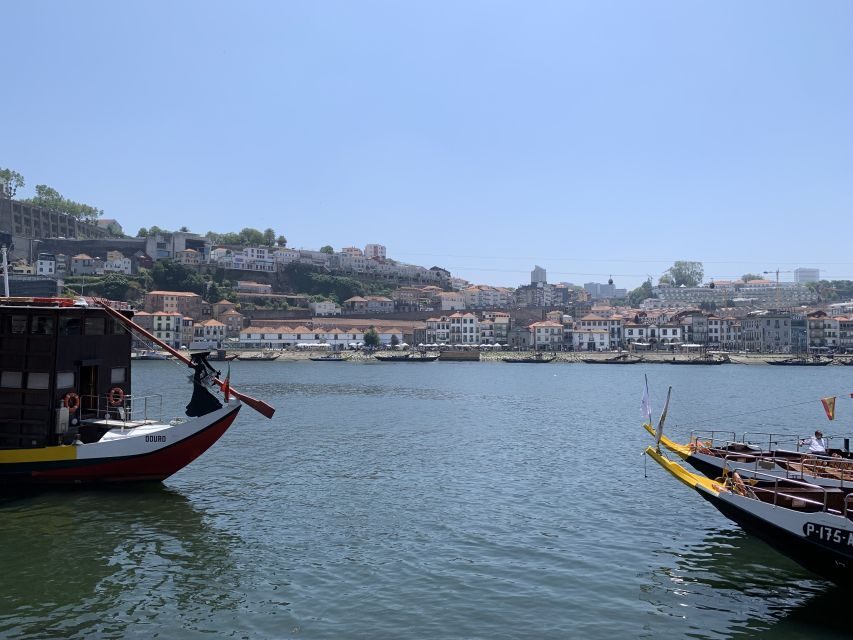
As you cross, the scenery becomes more than a postcard. You start noticing why Gaia is tied to wine production and why Porto’s historic core grew where it did. The river is the “why” behind the whole layout.
Also, walking the river crossing tends to be calmer than trying to view everything from crowded viewpoints. You get steadier sightlines and more time to process what you’ve seen.
More combo tours to Amarante, Lamego & Mateus in the Douro Valley & northern Portugal





The Gaia Ending: Winery Area, Port Cellars, and That Extra Tasting Option
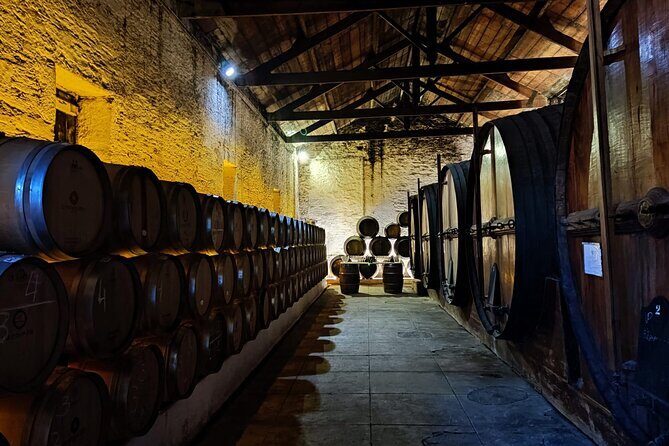
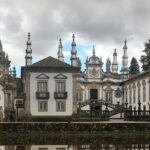
Once you reach Gaia, the tour focuses on Port wine heritage. You’ll discover the birthplace of Port Wine and see iconic cellar traditions—exactly the kind of detail that turns a drink into a story.
The stop also includes a former convent setting, with simple yet powerful architecture and a religious heritage that invites a quieter mood. It’s a good final contrast after the more energetic riverside segments.
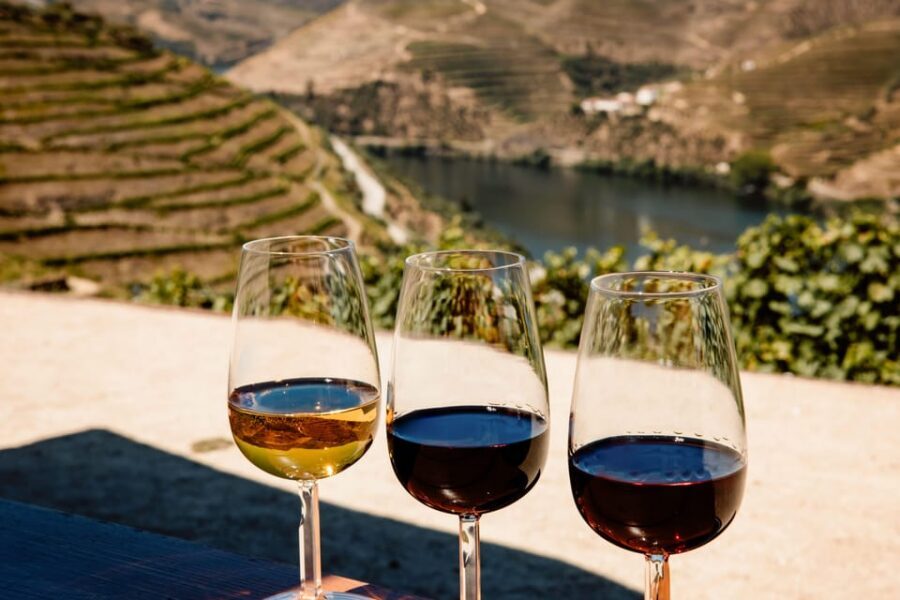
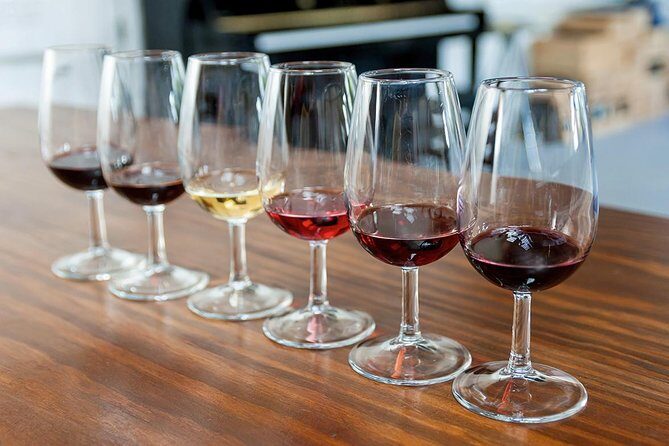
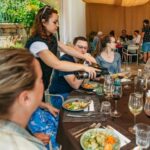
Then comes the practical twist: the port sipping at the winery is an extra expense option. I like this approach because it keeps the core tour moving, but it also gives you control. If you want the tasting, you can do it; if you’re already planning one later, you can skip and still finish with a strong Porto-and-Gaia finale.
The tour ends near Largo Joaquim Magalhães 4 in Vila Nova de Gaia, close to an interesting cellar if you want to keep tasting after the guide wraps up. That’s smart logistics. You’re not sent to the middle of nowhere—you’re placed where your next move is easy.
Value Check: What You’re Really Paying For
At $36.74 for about 2 hours, you’re paying for four things more than just walking:
- a local guide who explains what you’re seeing (and does it in English, plus Spanish support)
- a curated route that links Porto’s historic center to Gaia’s wine identity
- a small group experience that keeps questions possible
- recommendations that help you plan what comes next
The stops include major names—Stock Exchange palace, St. Francis, and UNESCO Casa do Infante—so even short time spent at each makes the guide feel worth it. If you tried to connect all these alone, you’d spend time figuring out the order, what to look for, and what each place actually meant.
Your main “cost” risk is personal choice at the end. If you want port tasting, set aside extra money. If you don’t, you can still finish the tour satisfied with the walk and the context.
Guide Energy Matters: Sofia, Susana, Michael, and Arturo
The tour’s quality lives in the guide. Based on what I’ve seen this experience associated with, you might meet a guide like Sofia, who can bring an architecture-minded lens to Porto’s landmarks. Or Susana, who tends to be upbeat and full of pride in the city. Michael is another name linked to engaging, history-forward storytelling. Arturo is known for clear explanations—especially about how Porto rises on both sides of the Douro.
You can’t guarantee a specific person, but you can count on a local guide style: confident, conversational, and tuned to helping you understand the “why” behind each stop.
Who This Tour Suits Best (and Who Might Want Something Else)
This walk is a great fit if you:
- want a guided connection between Porto and Gaia without planning
- enjoy historic neighborhoods but don’t want museum-level time blocks
- like small groups and question-friendly tours
- want a structured way to reach the Douro and understand what you’re seeing
It might be less ideal if you:
- dislike walking for 2 hours, even at an easy pace
- only care about views and would rather do everything independently
- are very budget-tight and want zero extra spending at the winery end
One more practical consideration: if you’re the kind of traveler who builds your schedule around specific add-ons (like any advertised water transport), confirm what’s truly included on your day.
Should You Book This Porto and Gaia Walking Tour?
Yes—if you want a smart, story-driven afternoon that connects the dots between Porto’s historic monuments and Gaia’s wine world. I’d book it when you want a guide’s explanation to make the route feel logical instead of random. The small group size, the landmark selection, and the Douro crossing on foot do the heavy lifting.
Skip—or swap for something else—if you’re chasing only photo spots and you’re allergic to any extra tasting costs at the end. For most visitors, though, this is a dependable way to see the two riversides in a single, coherent outing.
FAQ
FAQ
How long is the Porto and Gaia walk?
It runs for about 2 hours (approx.).
What time does the tour start, and where does it begin?
It starts at 2:30 pm. The meeting point is Jardim do Infante Dom Henrique, R. do Infante Dom Henrique, 4050 Porto.
How big is the group?
The tour has a maximum of 15 travelers.
Is the port tasting included?
Port sipping at the winery is an extra expense option, not included in the base tour.
Does the tour cross the Douro River?
Yes. You cross the river on foot as part of the experience.
Is free cancellation available?
Yes. You can cancel for a full refund up to 24 hours in advance of the experience start time.