REVIEW · PORTO
Douro Valley: Winery Tour at Quinta do Tedo and Tastings
Book on GetYourGuide →Operated by Quinta do Tedo · Bookable on GetYourGuide
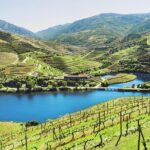
Picture terraced vines above two rivers. That is the feeling at Quinta do Tedo, an 18th-century estate at the confluence of the Douro and Tedo, with sweeping views you can’t ignore. I like that the tour focuses on real estate production—from organic vineyards to lagers and cellar aging—and I also like the straight-from-the-place tastings of Porto and red wine in a renovated tasting room. One thing to plan for: the whole visit is short (about an hour), so it moves at a quick pace if you want lots of time to linger.
You’ll start at Quinta do Tedo and get a guided walkthrough (35 minutes) that explains how the grapes become Porto and red wine, plus what happens in the cellar—including foot treading in the lagers, aging in 18th-century cellars, and the steps through bottling and hand-labeling. Then you shift into a tasting window (30 minutes) where you look out over the Douro River while sampling the estate’s wines. If you’re the type who loves wine facts but also appreciates comfort and a good seat with a view, this one hits the mark.
In This Review
- Key Highlights You’ll Feel Right Away
- Why Quinta do Tedo’s Douro–Tedo Location Makes the Tour Worth It
- Organic Vineyards and Class A Rating: What That Means for Your Glass
- Inside the Guided Walk: Vineyards, Olive Orchards, and the Winery Process
- The Tasting Room Overlooking the Douro: Porto and Red Wine in Context
- The Quick Shopping Stop: Buy Only What You’ll Actually Drink
- Price and Logistics: Getting Value from a Short, Focused Visit
- Accessibility and Languages: What to Expect in the Human Part of the Tour
- Who This Tour Suits Best (and Who Might Want to Skip It)
- Should You Book Quinta do Tedo Winery Tour and Tastings?
- FAQ
- Where is the meeting point for the Quinta do Tedo tour?
- How long does the experience take?
- What wines do you taste at the end of the tour?
- Are the grapes organic and estate-grown?
- What does the guided tour cover?
- What languages is the live tour guide available in?
- Is the tasting room part of the experience?
- Is the activity wheelchair accessible?
- How does scheduling work after I book?
- Can I cancel for a full refund?
Key Highlights You’ll Feel Right Away
- Organic, estate-grown grapes: 100% from the Quinta’s own vineyards, rated class A by the Portuguese wine institute.
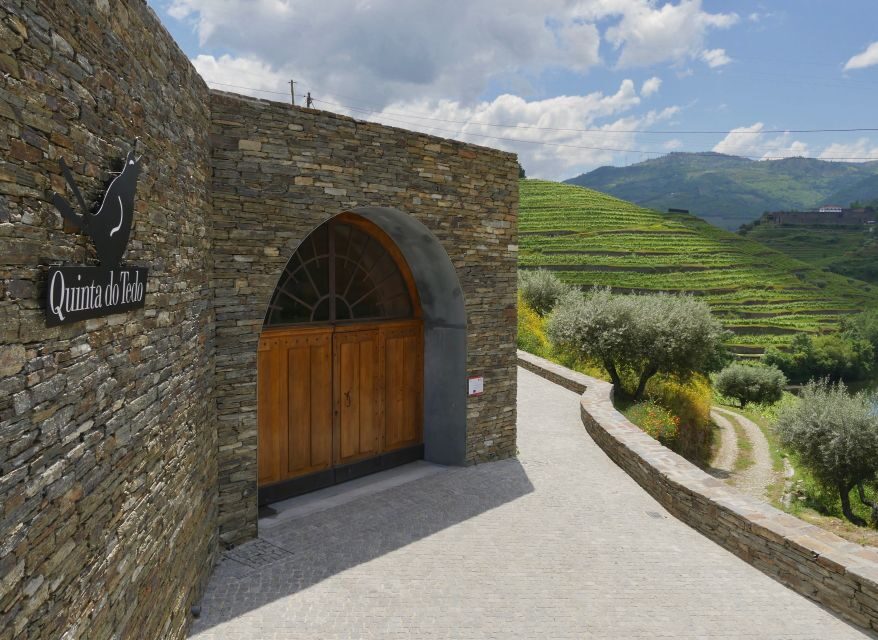
- Confluence views: vines and the tasting room frame the meeting point of the Douro and Tedo rivers.
- Production, not just promotion: foot treading in the lagers, aging in 18th-century cellars, and bottling/hand-labeling.
- Olive orchard stop included: you’ll also get explanations tied to the olive side of the property.
- Porto and red wine tasting: tasting is done at the end, overlooking the river.
Why Quinta do Tedo’s Douro–Tedo Location Makes the Tour Worth It
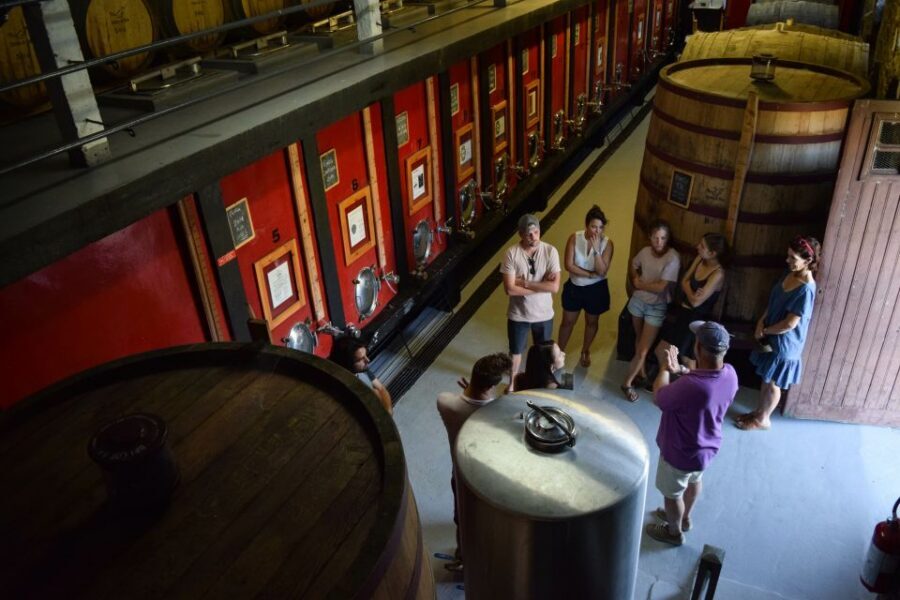
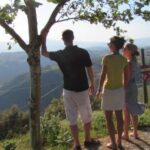
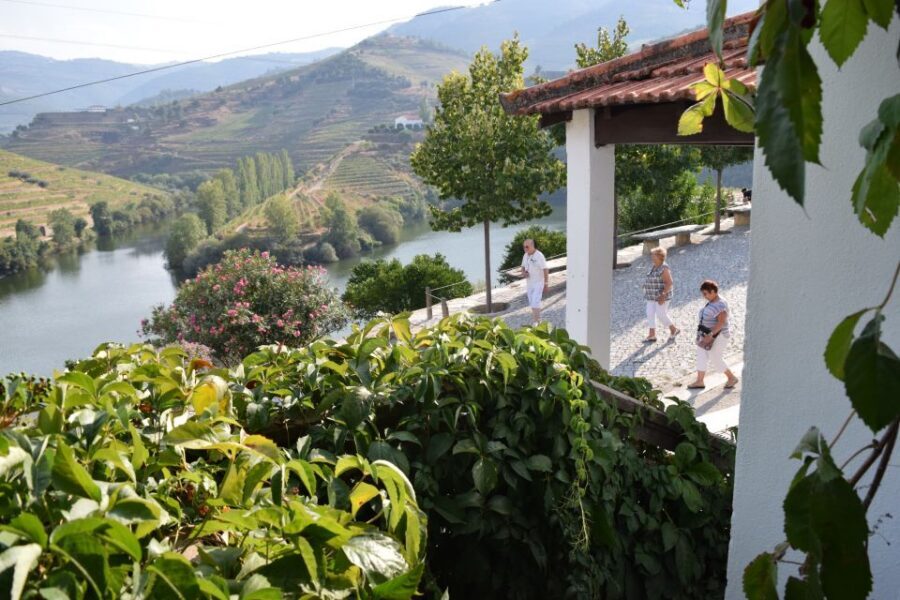
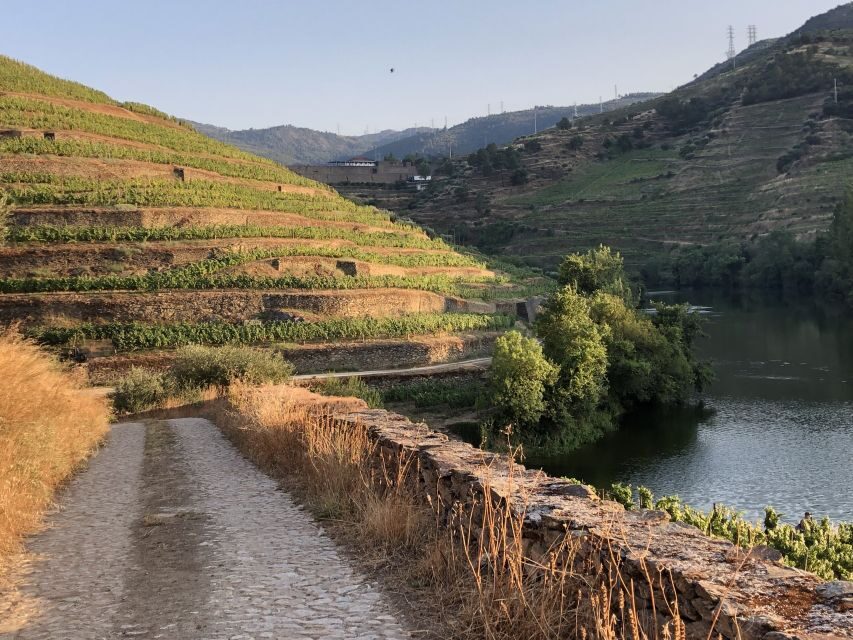
Quinta do Tedo sits in a dramatic spot where the Douro River and the Tedo River come together. That setting matters because it changes how you experience the whole visit: you’re not just touring a winery, you’re watching the landscape that shaped the vines.
From the Quinta, you get big picture views while the guide explains the vineyards and production. Even if you’re new to Douro Valley wine, seeing how terraced vines climb up above the river system helps the information click. It’s also a nice change from wineries that feel hidden behind hedges and walls.
More Quinta & winery visits in the Douro Valley & northern Portugal


Organic Vineyards and Class A Rating: What That Means for Your Glass
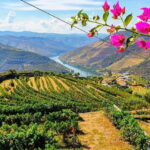
This estate uses 100% estate-grown organic grapes. The grapes come from 37 acres of class A vineyards—the highest rating from the Portuguese Instituto do Vinhos do Douro e Porto, comparable to the Grand Cru system in France.
Why you should care: class A is not just a marketing phrase. In practice, it signals tighter quality expectations for vineyards, and that usually affects how consistently the grapes perform year to year. When you’re tasting at the end, you’re tasting wine tied to those specific parcels, not generic bulk grapes from everywhere.
Also, the tour ties the vineyards directly to the wine you’re drinking. You’ll hear how Porto and red wine production works, and you’ll connect the process to the flavor in the glass. That makes the tasting feel less like a random sample flight and more like the final chapter of the tour.
Inside the Guided Walk: Vineyards, Olive Orchards, and the Winery Process
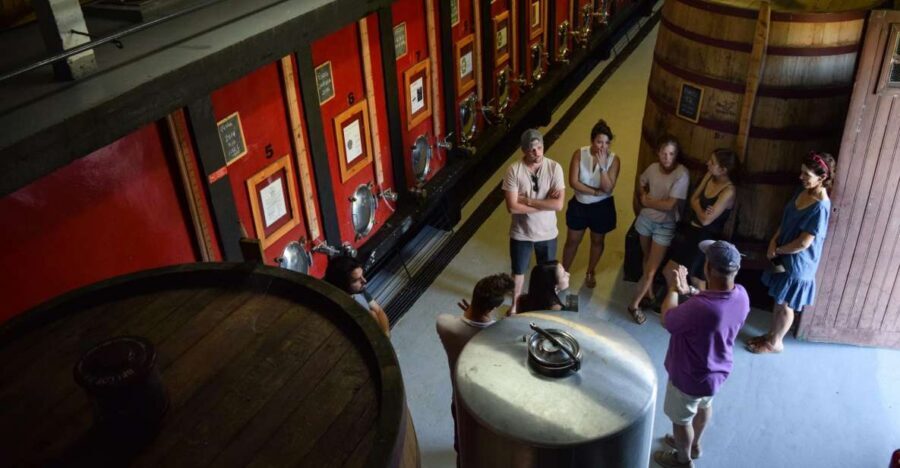
The guided portion lasts about 35 minutes, and it’s built to keep you moving while still giving context. You’ll cover the vineyards and also the olive orchards, which adds variety if you usually think of Douro wineries as only grape-focused.
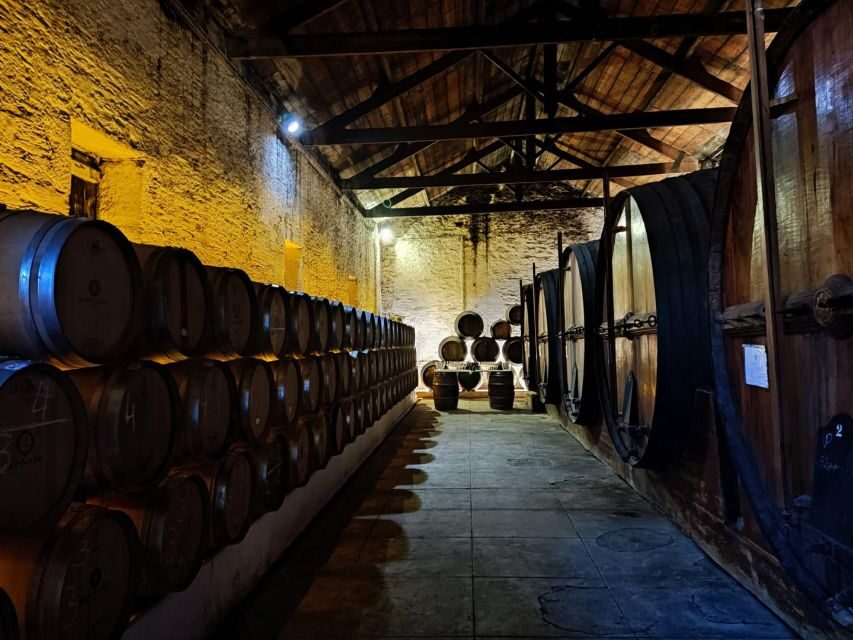
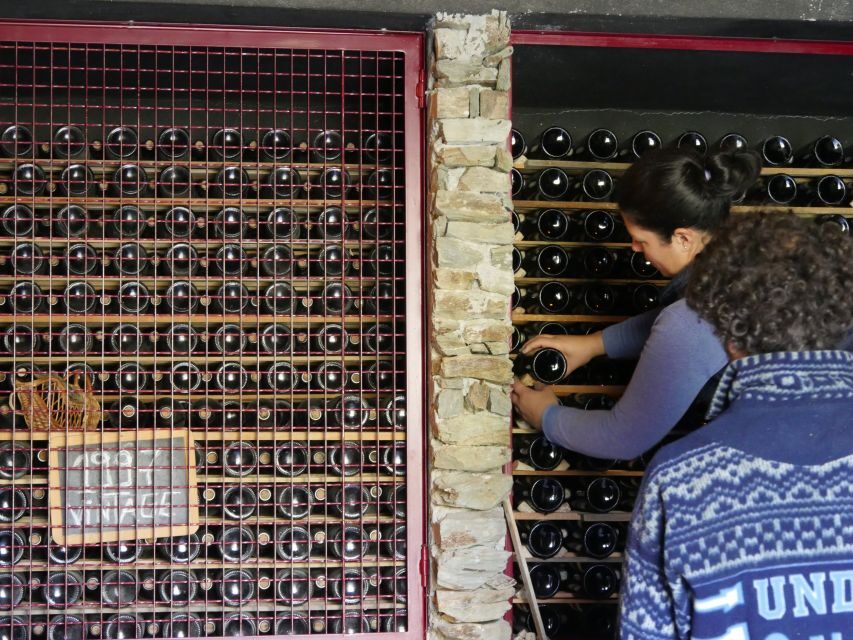
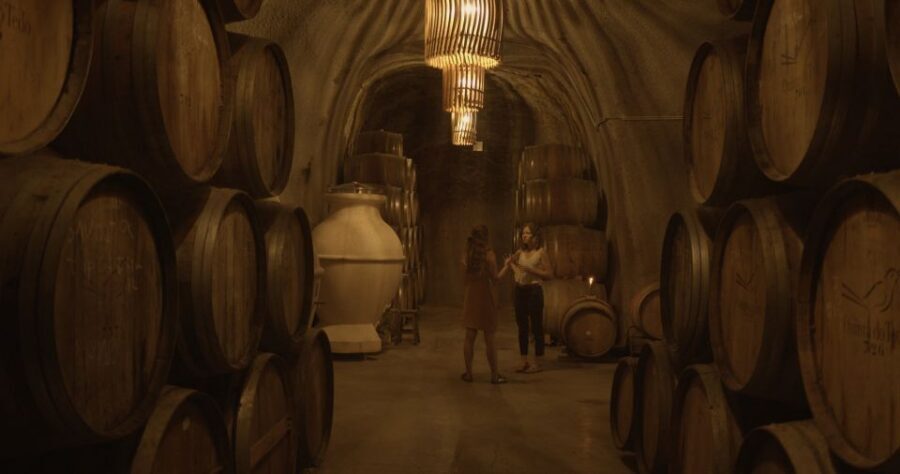
What I like about this setup is that it walks you through production stages in plain language. You’re not left guessing how Porto becomes Porto. The guide explains the flow from grape to finished wine, including the distinctive foot treading in the lagers and the aging that happens in 18th-century cellars.
Foot treading is one of those “you’ve heard of this” moments. Here, it’s treated as part of the method—not a stunt—and it helps you understand why this region’s wine traditions became so recognizable. And because the estate also includes bottling and hand-labeling in the explanation, you leave the tour with a sense of what is still done by hand versus what is modernized.
If you get a guide like Bruno, you’ll likely appreciate the clarity. One highlight from past visitors is how strongly the presentation lands, with the guide connecting steps of production to what you’ll taste later.
The Tasting Room Overlooking the Douro: Porto and Red Wine in Context
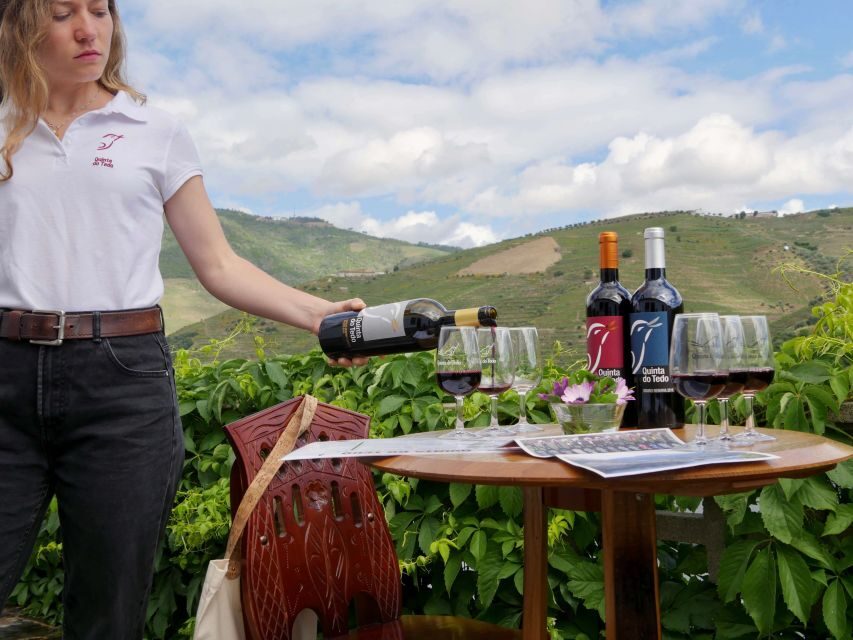
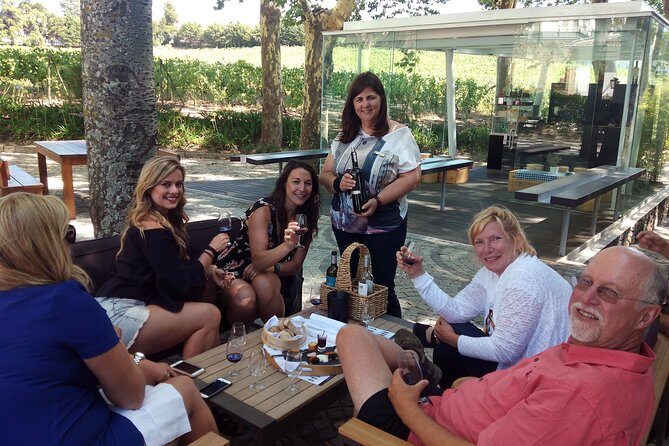
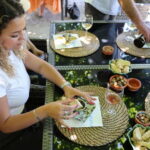
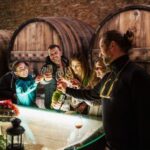
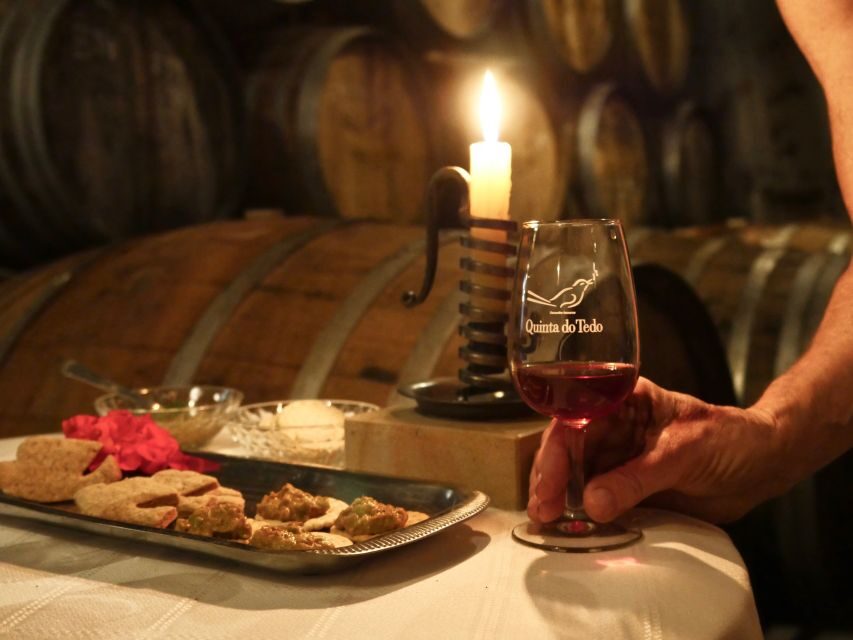
After the tour, you get about 30 minutes for tasting in a renovated 18th-century tasting room. You’ll taste Porto and red wines while looking out toward the Douro River. That matters more than it sounds. Wine tasting is easier to judge when you’re relaxed and not rushing around for photos.
The tasting session is the payoff for the tour. You’ll already know the basic production points before you start sipping, so you can pay attention to what stands out: intensity, structure, and how Porto differs from the red wines in the lineup.
If you enjoy comparing styles, this format is satisfying because it doesn’t force you to play guessing games. The guide’s earlier explanations give you a framework to notice differences, rather than treating the samples like a blind lottery.
One practical note: because the tasting window is timed, you’ll want to pace yourself. Take small sips, listen to the guide’s cues, and save your best questions for the moment it fits.
The Quick Shopping Stop: Buy Only What You’ll Actually Drink
There’s a short shopping window at the end (about 5 minutes). It’s brief on purpose, which is good if you don’t want a hard sell eating into your day.
This is the moment to ask what to pick if you’re bringing wine home. Since you’re tasting estate wines, you’ll have a head start on deciding what you like best. If you’re unsure, choose based on what you found easiest to enjoy during the tasting—Port or red—rather than buying a bottle just because it’s from the estate.
If you’re carrying wine onward, think ahead about how you’ll store it and whether you want to keep it safe on travel days. A quick stop is great, but it’s not the time to figure out packing logistics.
Other wine tours in Porto


Price and Logistics: Getting Value from a Short, Focused Visit
The price is listed at $42 per person, and the overall experience is about 1 hour (guided walk plus tasting plus a short shopping stop). For a winery visit, that makes it more of a focused introduction than a half-day escape.
Here’s how I judge the value: you’re paying for (1) a guided estate walkthrough, (2) explanations of both vineyards and cellar methods, and (3) tastings of Porto and red wine on-site. You’re also tasting wines tied to organic estate-grown grapes from class A vineyards, and you get those views from the Douro River setting as part of the experience.
Logistics-wise, you meet directly at Quinta do Tedo. The meeting point is about 5 minutes east of Folgosa, at the intersection of EN222 and M512. After booking, the local provider contacts you by email to schedule your visit time, and the activity runs only after the time is set.
Because it’s short, it’s an especially good fit for travel days when you want a winery stop without sacrificing your whole afternoon. If you’re the type who loves long tastings, extra food pairings, or spending hours in one place, you may feel a bit rushed. The upside is that you get a lot of information quickly, and you can keep your travel schedule intact.
Accessibility and Languages: What to Expect in the Human Part of the Tour
The tour includes a live guide and offers English, Portuguese, and French. That helps if you’re traveling as a mixed group or if you want explanations in a language you’re truly comfortable with.
It’s also wheelchair accessible. If you use a wheelchair, this is worth noting because you can plan confidently without hoping the terrain will work out. Still, it’s always smart to bring your own comfort needs into the picture on vineyard estates, where paths and slopes can vary.
Who This Tour Suits Best (and Who Might Want to Skip It)
This is a strong match if you want a compact wine experience that still covers the important parts: vineyards, olive orchards, Porto/red wine production, and a tasting right at the estate. It’s also ideal if you like learning the method before you sip, because the tour sequence supports that.
It’s especially good for wine-curious travelers who don’t need a textbook, just clear explanations and a tasting they can understand. And the Douro–Tedo confluence views make it feel like a place, not just a stop.
You might want to choose something else if you want a longer tasting, more time in the cellar, or a slower pace. Since the visit is around an hour, it’s not built for marathon wine-sipping sessions.
Should You Book Quinta do Tedo Winery Tour and Tastings?
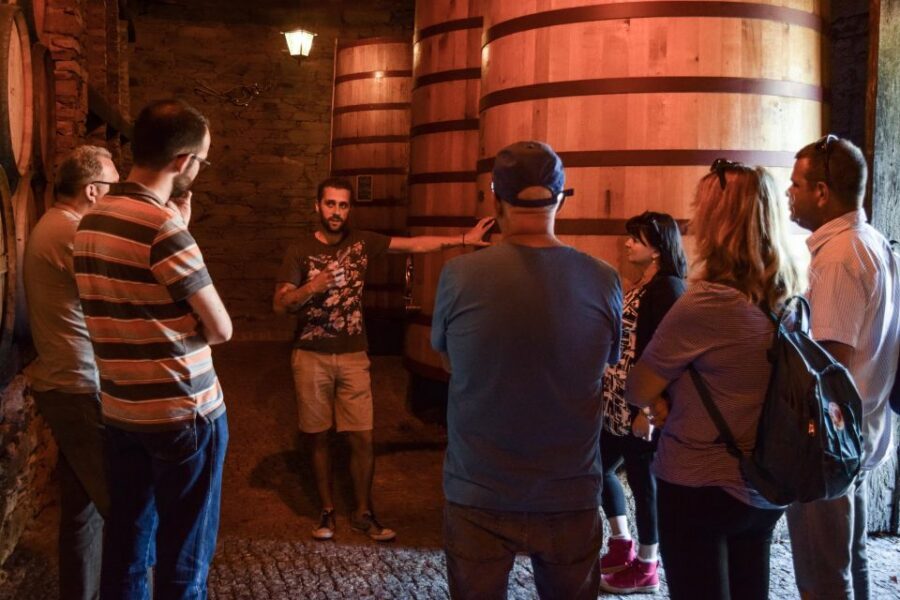
I’d book it if you’re traveling through the Douro Valley and you want an estate visit that combines views, production explanations, and Porto plus red wine tastings in a tight timeline. The estate-grown organic angle plus the class A vineyard rating gives you a solid reason to trust what you’re tasting, and the production walk (including lagers and 18th-century cellars) gives the tasting real context.
I’d skip it if you’re seeking an all-day winery immersion or you know you hate short tours. In that case, you’d likely feel like you’re being hurried.
If you’re aiming for a practical, high-value winery stop that fits real travel schedules, this one is a strong choice.
FAQ
Where is the meeting point for the Quinta do Tedo tour?
Meet at Quinta do Tedo, about 5 minutes east of Folgosa at the intersection of EN222 and M512.
How long does the experience take?
The duration is listed as 1 hour to 1 day depending on starting times, and the visit includes a 35-minute guided tour plus a 30-minute tasting plus a short shopping stop.
What wines do you taste at the end of the tour?
You taste the Quinta do Tedo Portos and red wines in the tasting room.
Are the grapes organic and estate-grown?
Yes. The tour information states the Quinta uses 100% estate-grown organic grapes from its own vineyards.
What does the guided tour cover?
The guide covers explanations of the vineyards and olive orchards, and it explains Porto and red wine production, including foot treading in the lagers, aging in 18th-century cellars, and bottling and hand-labeling.
What languages is the live tour guide available in?
The guide is offered in English, Portuguese, and French.
Is the tasting room part of the experience?
Yes. The wine tasting takes place in a renovated 18th-century tasting room overlooking the Douro River.
Is the activity wheelchair accessible?
Yes, the activity is listed as wheelchair accessible.
How does scheduling work after I book?
After booking, the local partner contacts you by email to schedule the time of your visit. The activity only takes place once the time is scheduled.
Can I cancel for a full refund?
Free cancellation is offered up to 24 hours in advance for a full refund.