REVIEW · PINHAO
Douro Valley: (Pinhão) Quinta da Foz – Tour&Tasting 5 WINES
Book on GetYourGuide →Operated by Quinta da Foz Sociedade Agrícola, S.A · Bookable on GetYourGuide
Five Douro wines, one old cellar.
This Quinta da Foz stop in Pinhão is a small, traditional winery experience built around real production—starting with vinification process explanations (from 1872 roots) and moving into their aging wine cellar. I like that it’s not just about drinking; you get hands-on, step-by-step context for how their wines are made.
I also love the way the tasting is structured: you’ll taste 5 wines (rosé, white, and three red tiers) plus extra virgin olive oil, so you can actually compare styles instead of doing one “random pour.” One thing to consider: the whole experience is about 1 hour, so the walk and viewpoint time is usually tight if you’re expecting a long roam through the grounds.
In This Review
- Quinta da Foz in Pinhão: a traditional Douro cellar experience
- 5 wines, olive oil, and what that tasting lineup really teaches
- Your 1-hour flow: from vinification talk to the aging cellar
- The guides make or break it: Jose, Inês, João and the human touch
- Traditional winery details you’ll actually notice
- Price and value: why $41 can feel fair here
- Who should book this Douro tour (and who might want a different pace)
- Practical notes that help you enjoy the hour
- Should you book Quinta da Foz? My call
- FAQ
- How long is the Quinta da Foz wine tour and tasting?
- What’s included in the tasting?
- Are the wines dry or sweet?
- Is the tour guided in English?
- Where does the tour take place?
- What should I bring?
- Are cameras and drones allowed?
- Do I need to arrive early?
- Is this experience suitable for wheelchair users?
- What are the cancellation terms?
- Can I book and pay later?
Quinta da Foz in Pinhão: a traditional Douro cellar experience
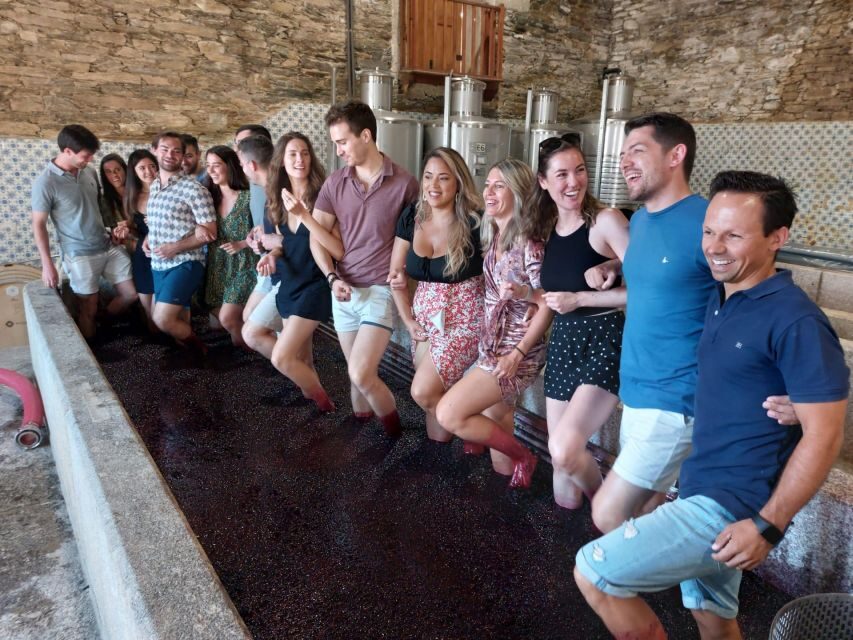
Douro Valley tours often feel either too polished or too vague. Quinta da Foz tends to land in the middle: traditional, practical, and geared toward people who like learning how wine gets from grape to bottle.
The winery’s story is part of the pull. Quinta da Foz dates back to 1872, and you feel that in the way the place is organized—especially around the cellar where different categories of wine are aged. They still explain their vinification methods the old-fashioned way: clear steps, no rush, and plenty of room for questions.
The vibe is also social in a low-key way. Since the tasting happens together, you naturally end up chatting with other wine lovers—without the staged, awkward “stand in a line and pretend you’re not thirsty” energy.
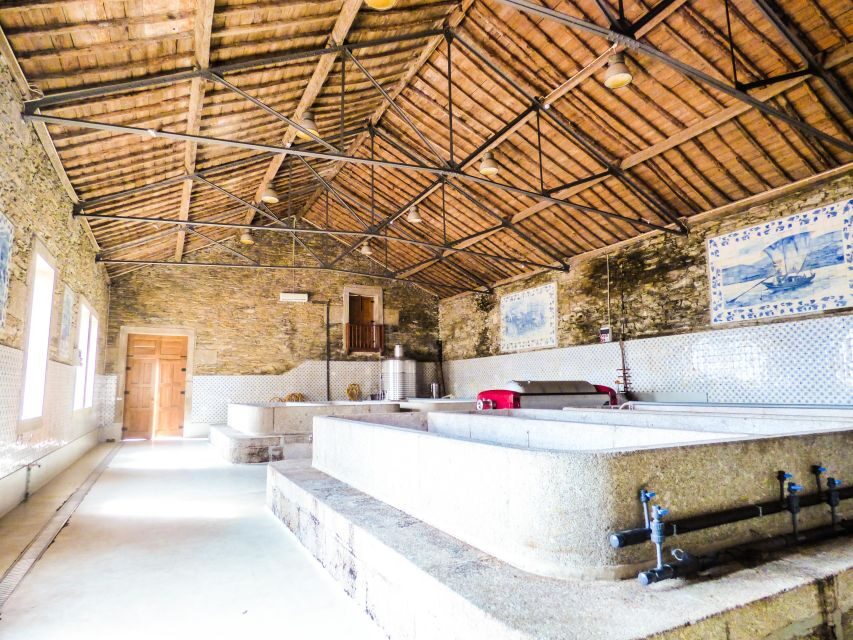
You’ll also see classic Portuguese touches, including Portuguese tiles, which make the tour feel more like a living winery than a theme set.
5 wines, olive oil, and what that tasting lineup really teaches
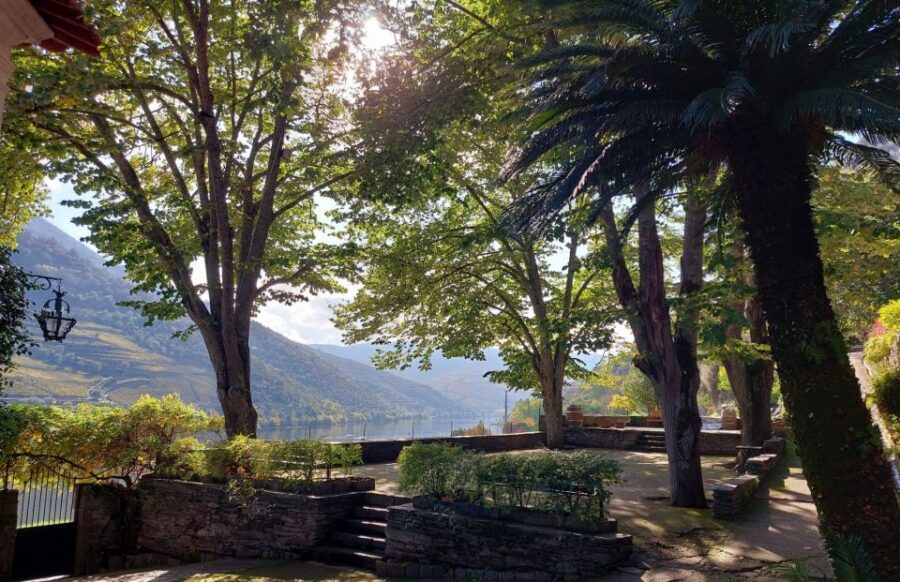
The tasting is the centerpiece, and the lineup is smart. Instead of only reds, you start with a base that shows how Douro can work across colors and styles—then you move through escalating red tiers.
Here’s what’s included:
- Vinha da Foz / Rosé
- Da Foz Colheita / White
- Quinta da Foz Colheita / Red
- Quinta da Foz Reserva / Red
- Quinta da Foz Grande Reserva / Red
- Plus olive oil (extra virgin)
Why this matters: Douro can be confusing if all you ever taste is one heavy red. With this set, you’ll be able to notice how acidity, fruit character, and texture shift from glass to glass. The rosé and white also give your palate a reset before the reds—so you don’t just end up drinking through a blur of tannins.
Also, this is a big practical point: the wines included are dry wines, even though the cellar process includes aging for red, white, and port wines. So don’t expect the tasting to turn into a port parade. If port is your main mission, you’ll want to choose a different experience—but if you’re open to a classic red-and-white focused tasting, this lineup hits the sweet spot.
More Quinta & winery visits in the Douro Valley & northern Portugal

Your 1-hour flow: from vinification talk to the aging cellar
This experience is designed to be tight and focused—one hour with an English live guide and a clear sequence: production overview, cellar time, tasting, and a final walk.
1) Start in the winery with vinification details
You begin where the work happens. The guide explains technical details and the processes behind their vinification methods. I like this first step because it gives you something to “listen for” during the tasting. When you know what they did (fermentation approach, handling decisions, aging intent), you can taste with more accuracy instead of guessing.
2) Move into the cellar for aging of their top wines
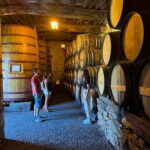
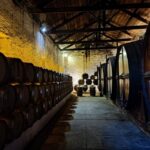
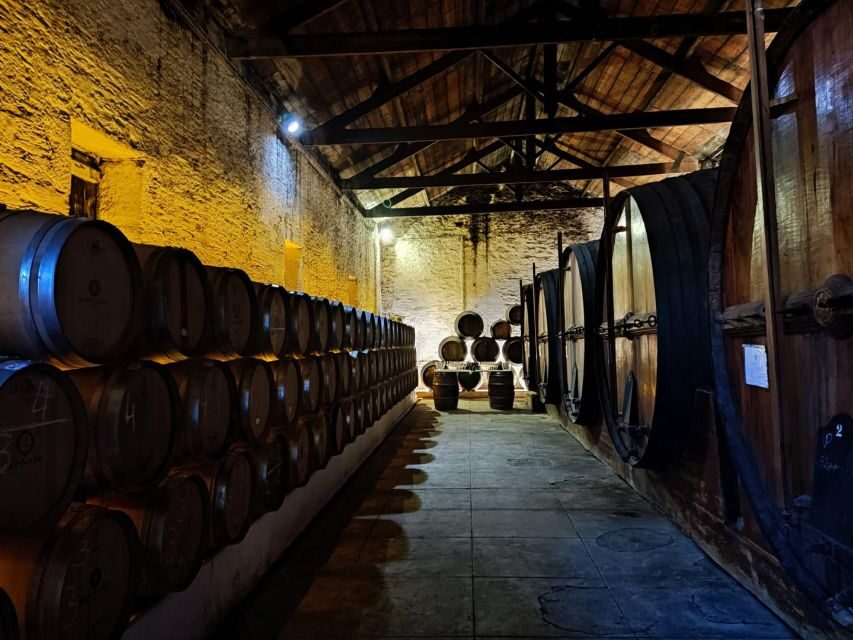
Next comes the wine cellar, where you can see how they still age their top red, white, and port wines. Even if you’re only tasting dry wines today, the cellar context helps you understand why these wines taste the way they do. You’ll also get a sense of the physical scale of aging in Douro—old storage practices, large containers, and a slower tempo than most modern production lines.
3) Tasting with guide-led comparisons
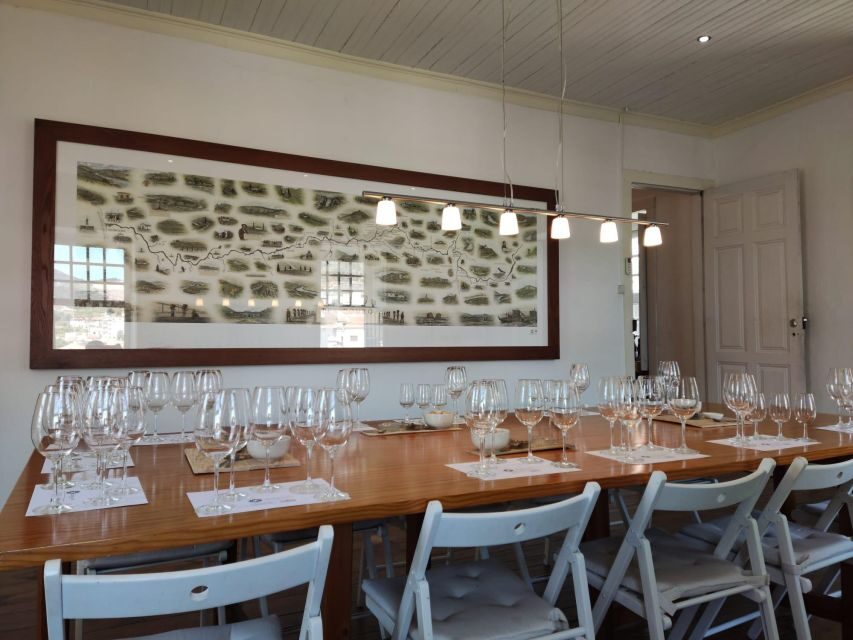
Then you settle into the tasting portion and work your way through the lineup. A helpful part here is pacing: you get enough time to taste properly and ask questions, without the feeling that the staff is trying to speed-run you to the next group.
4) Finish with an old-vineyard walk and viewpoint
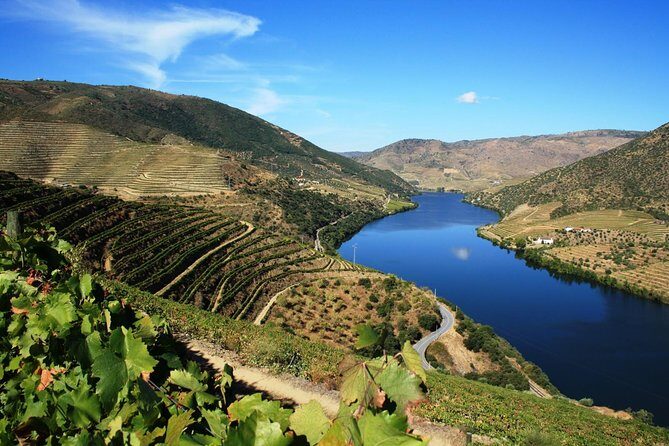
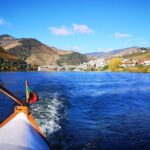
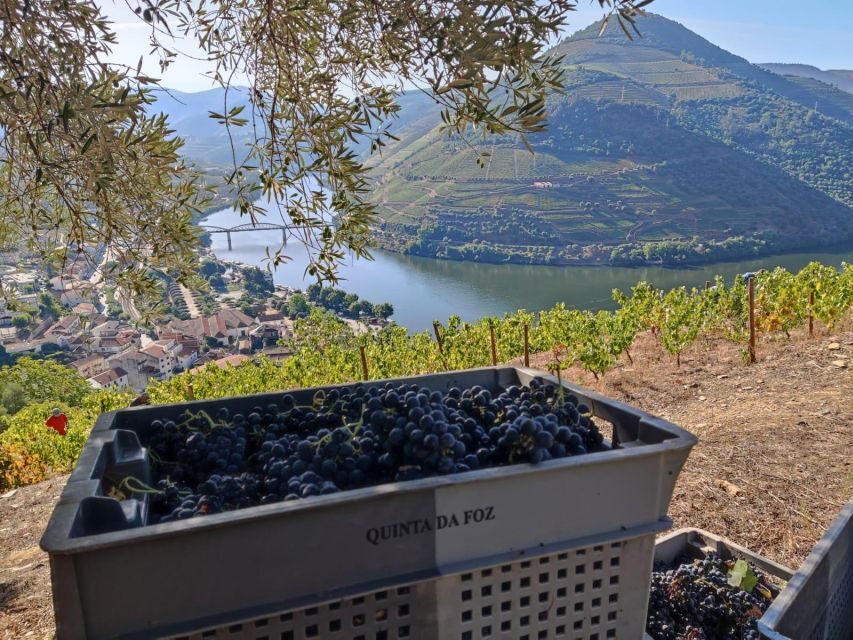
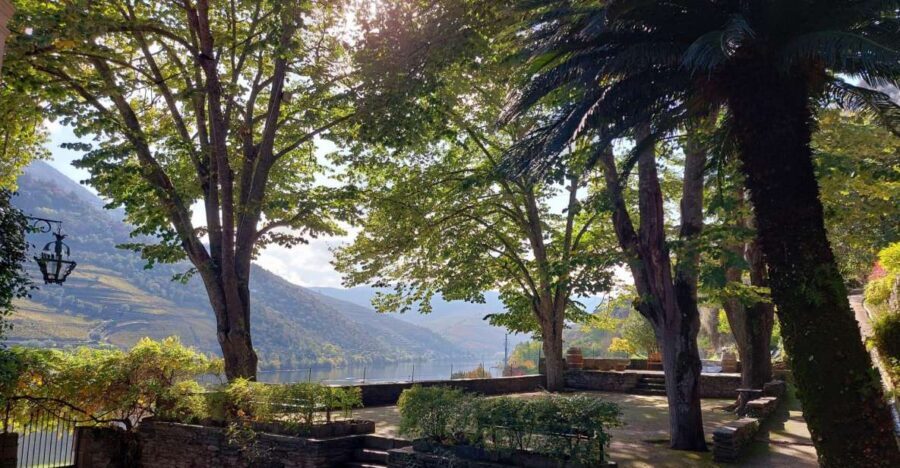
After the tasting, the tour invites you to explore and take a magical walk through the old vineyard. The highlight list also includes a viewpoint (Miradouro), so you can expect a scenic stop that ties the wine back to the terrain. Just keep your timing expectations realistic: it’s one hour total, so the walk is more of a taste of the vineyard than an all-afternoon hike.
The guides make or break it: Jose, Inês, João and the human touch
What elevates Quinta da Foz isn’t only the wine; it’s the guide style. People consistently mention hosts such as Jose, Inês, and João—and the common thread is how they balance facts with personality.
In practical terms, that means:
- You don’t feel talked at.
- You get explanations that connect to the tasting.
- The guide keeps energy high without turning it into a comedy show you can’t follow.
If you enjoy learning in a conversational way—where you can ask a question and actually get an answer in plain language—you’ll likely have a better time than if you prefer silent, self-guided tastings.
And if you’re thinking, Will I feel out of place if I’m not a wine expert? The format is built for “curious people.” You don’t need to speak wine vocabulary to understand what they’re explaining.
Traditional winery details you’ll actually notice
Some tastings are beautiful but generic. Here, the details feel purposeful.
For one, the tour highlights traditional wine cellar structure and the sense that the winery is operating on a long timeline. You’ll also spot classic design elements such as Portuguese tiles, which make the place visually memorable and not just functional.
You may also catch older production heritage items. One reason people bring up the experience so strongly is the chance to see traditional winemaking tools—like older grape-handling setups and large aging containers—rather than only modern equipment. The result is that the cellar and production areas feel connected to the Douro’s working culture.
This matters because it changes your takeaway. After the tour, you’re not just saying the wine was good. You’re understanding how the winery thinks.
Price and value: why $41 can feel fair here
At $41 per person for about one hour, the value comes from packing multiple components into one ticket: guided tour + cellar time + five wine tastings plus extra virgin olive oil.
If you break that down, you’re paying for:
- A guided walkthrough that gives context (not just pouring)
- An included tasting set big enough to compare styles
- A local olive oil add-on that broadens the experience beyond wine
Could you find cheaper wine tastings in Portugal? Maybe. But when you factor in the production tour and the guided structure, $41 starts to make sense—especially in the Douro, where high-quality experiences are rarely free.
To judge if this is the right spend for you, ask one question: Do you want a tasting and a little education? If yes, you’ll probably feel good about the price. If you only want to drink and don’t care about how the wine is made, you might prefer a simpler tasting.
More Pinhao tours & cruises in the Douro Valley & northern Portugal


Who should book this Douro tour (and who might want a different pace)
This tour is a strong match for:
- Wine lovers who want production context, not just samples
- People who enjoy comparing wine tiers (colheita to reserva to grande reserva)
- First-timers to Douro Valley who want a structured intro in a short time
It may feel less ideal if:
- You’re expecting a long vineyard hike.
- You want a port-focused tasting. (The tasting lineup is dry wines; port aging may be discussed and shown in the cellar, but port isn’t listed among the included tasting glasses.)
- You need wheelchair accessibility. The experience is not suitable for wheelchair users.
If you’re short on time in Pinhão, this is a solid “get the essentials and the viewpoints” choice. If you want deep, multi-hour vineyard wandering, you may want a longer tour in addition—or instead.
Practical notes that help you enjoy the hour
Plan smart so the tour feels smooth.
- Wear comfortable shoes. Even if the walk is not long, you’ll be moving through winery and vineyard ground.
- Bring sunscreen. You’ll likely spend at least some time outdoors near viewpoints.
- Bring your passport or ID card.
- Arrive at the meeting point 15 minutes early so you don’t lose time once the tour starts.
- This is an English live guide experience.
- You can expect a “skip the ticket line” style entry (so you’re not stuck waiting outside).
Camera rules are strict enough to matter:
- Drones are not allowed.
- Professional cameras and tripods are not allowed.
Also, the experience doesn’t list wheelchair access, so if that’s part of your needs, you’ll want to choose a different option.
Should you book Quinta da Foz? My call
Book it if you want a tight, traditional Douro experience with a real cellar component and a tasting lineup that lets you compare rosé, white, and three red tiers—plus a viewpoint finish. The short 1-hour format works well if you’re planning a day in Pinhão and want a high-value wine start without draining your schedule.
Skip or rethink it if your #1 priority is port tastings, or if you’re craving a long, full-on vineyard trek. In that case, you’ll probably feel a little rushed when the time cap arrives.
One more simple check: if you enjoy meeting a guide who brings personality to the wine (and names like Jose, Inês, and João keep coming up), you’ll likely have a great time here.
FAQ
How long is the Quinta da Foz wine tour and tasting?
The tour lasts 1 hour.
What’s included in the tasting?
You’ll taste 5 wines: Vinha da Foz (Rosé), Da Foz Colheita (White), Quinta da Foz Colheita (Red), Quinta da Foz Reserva (Red), and Quinta da Foz Grande Reserva (Red), plus extra virgin olive oil.
Are the wines dry or sweet?
The experience highlights dry wines, and the included lineup is listed as those wine types.
Is the tour guided in English?
Yes. The tour has a live English guide.
Where does the tour take place?
It’s at Quinta da Foz in Douro Valley, with the activity associated with Pinhão.
What should I bring?
Bring your passport or ID card, comfortable shoes, and sunscreen.
Are cameras and drones allowed?
Drones are not allowed. Professional cameras and tripods are also not allowed.
Do I need to arrive early?
Yes. You should arrive at the meeting point 15 minutes early.
Is this experience suitable for wheelchair users?
No. It is not suitable for wheelchair users.
What are the cancellation terms?
You can cancel up to 24 hours in advance for a full refund.
Can I book and pay later?
Yes. It offers a reserve now & pay later option.