REVIEW · PORTO
Porto: Douro Valley Tour with 3 vineyards and lunch.
Book on GetYourGuide →Operated by To Do In Portugal · Bookable on GetYourGuide
Douro wine tastes better with real views. This 9-hour Porto day trip threads you through the changing scenery of the Douro Valley, then slows down for the good stuff: viewpoints, small-group winery time, and tastings with lunch.
I especially like how the day mixes Port wine, table wine, and olive oil tastings with a guided flow that keeps you from rushing. The other win is the traditional lunch made from locally grown products, with vegetarian and gluten-free options available if you ask ahead. One consideration: the exact wineries you visit are subject to availability and can be swapped for similar estates.
In This Review
- Key highlights at a glance
- From Trindade metro to the Douro Valley: the drive is part of the show
- Douro River viewpoints: the 20-minute break that helps everything click
- Pinhão tasting time: one hour where you learn by tasting
- Sabrosa for lunch and tastings: where the day turns into a full meal experience
- Three estates with Port, table wine, and olive oil: what you’re actually paying for
- Small group pacing (up to 8): why the day feels relaxed instead of rushed
- What to wear and bring for a Douro day (and what to skip)
- Languages and guide style: Marco, Nuno, Emanuel, and the art of pacing
- Price and value: is $147 for 9 hours worth it?
- Should you book this Porto Douro Valley tour?
- FAQ
- How long is the Douro Valley tour from Porto?
- Where does the tour start and end?
- How many vineyards or estates do you visit?
- What do you taste during the tour?
- Is lunch included, and are dietary options available?
- How big is the group?
- What languages does the guide speak?
- What should I bring?
- Is luggage or pets allowed?
- What about cancellations and refunds?
Key highlights at a glance
- Up to 8 people so the guide can actually answer your questions
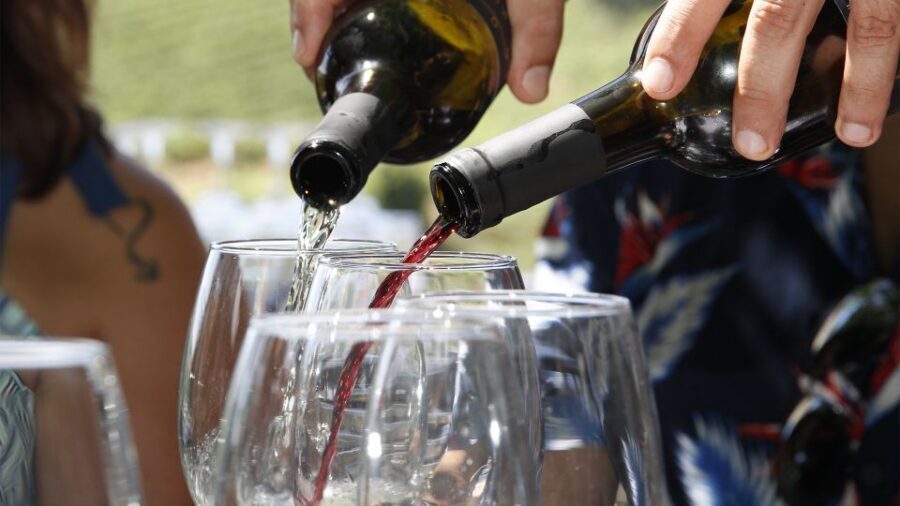
- 3 estates with Port wine, table wine, and olive oil tastings
- Photo stop on the Douro River plus multiple viewpoints along the way
- Traditional lunch with vegetarian and gluten-free options on request
- Guided visits in multiple languages (English, Portuguese, Spanish, French)
- Weather-safe scheduling since activities happen in covered, protected spaces
From Trindade metro to the Douro Valley: the drive is part of the show
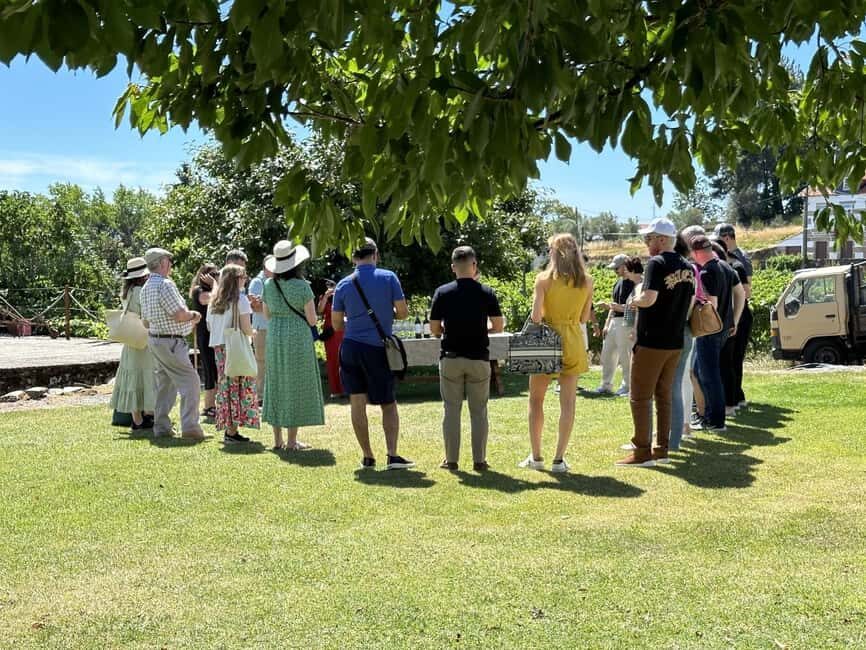
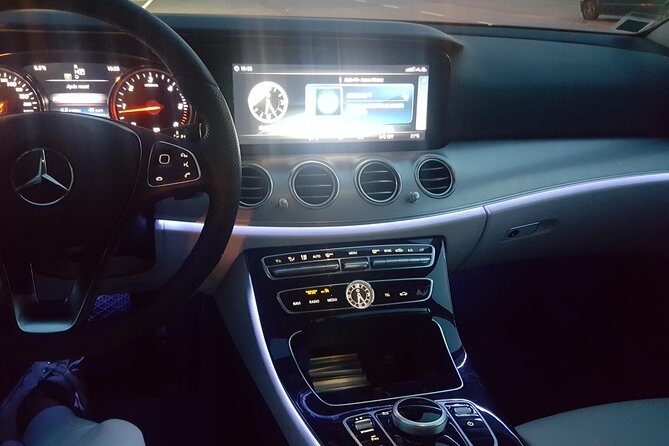
Your day starts at the Trindade metro station area in central Porto, where you meet the guide at the bus stops. From there, you head out by private vehicle in a group capped at eight. That matters more than it sounds. With a small headcount, the ride doesn’t feel like a moving waiting room, and you’re more likely to actually get time to ask questions during the tastings.
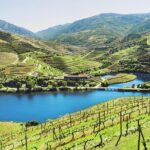
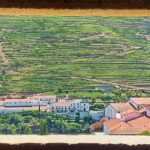
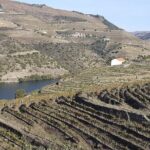
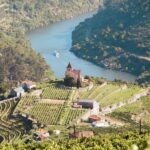
The first chunk of the journey is about 1.5 hours of road time. Along the way, the scenery shifts from city energy to the Douro’s hallmark terraced slopes and vineyards. You also get the chance to stop briefly and take it in, which is a big deal in Douro country where the “wow” moments are often on the roadside rather than inside a museum.
One thing I like about this kind of pacing: it gives you a mental map before you ever start tasting wine. By the time you reach the valley viewpoints, you’re not just staring at hills. You understand why the river, the terraces, and the vineyard layout all matter to the wine story.
More Douro Valley wine tours from Porto in the Douro Valley & northern Portugal

Douro River viewpoints: the 20-minute break that helps everything click
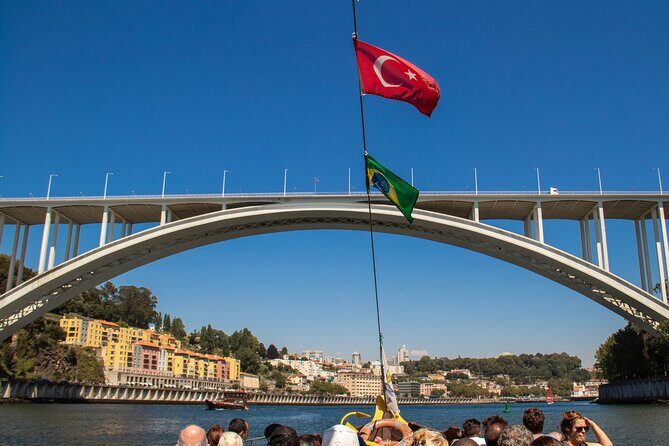
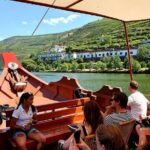
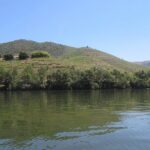
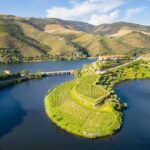
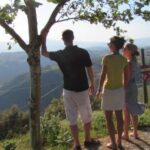
Before you settle into the first winery block, you’ll hit the Douro River with a short photo stop and scenic views on the way. It’s listed as about 20 minutes, so it’s not a full hike or wandering session. You’re given enough time to grab photos and soak up the breadth of the valley, then you get back on the move.
This stop is useful even if you’re not a big photographer. The Douro Valley is hard to understand without seeing how the river bends through the terraced vineyards. Once you’ve seen it from the viewpoint level, the later tastings feel more grounded and less like a generic wine lesson.
Tip from how the day runs: bring your camera ready. You may get scenic moments at different points, and the tour flow is built around short “catch the view” breaks.
Pinhão tasting time: one hour where you learn by tasting
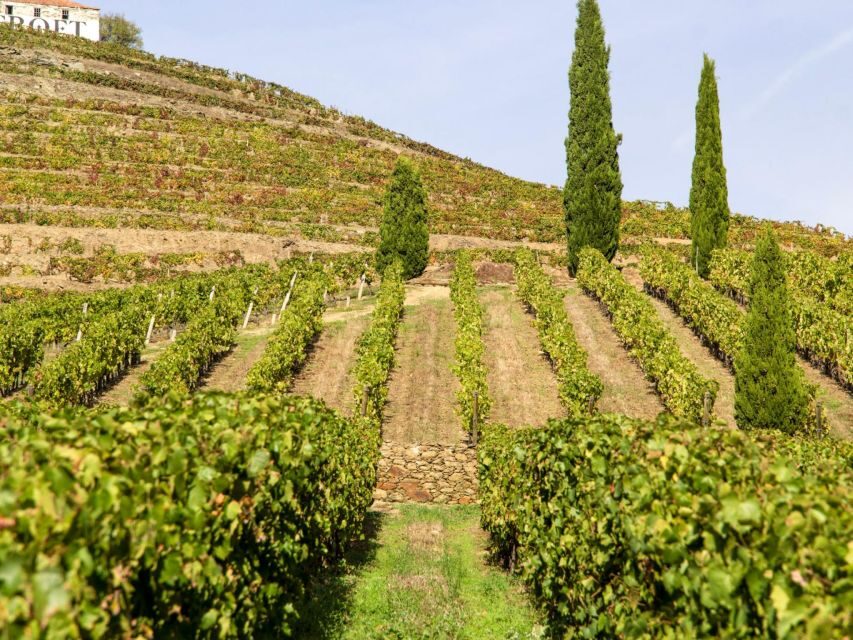
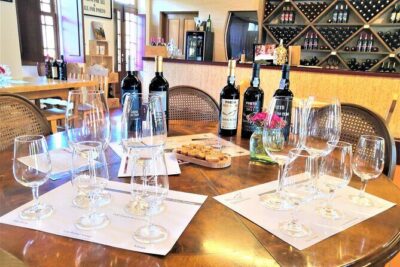
Next up is Pinhão for about an hour. Your time there is a guided visit plus wine tasting, with scenic views included along the way. This is the tour’s first real step into wine mode, after you’ve already been oriented by the drive.
What tends to make this stop work well is the sequence. You arrive having seen the valley layout, you look at the river and terraced slopes, then you switch gears to tasting with a guide translating what you’re seeing into what’s in the glass.
This is also where the guide style really shows. In past days, guides like Marco and Emanuel were praised for knowing when to talk and when to pause for questions. That kind of rhythm helps you get something concrete out of the tasting, instead of leaving with only a vague idea of what you drank.
If you want to make the most of Pinhão, go in with one simple goal: ask what makes the wine from this specific area taste the way it does. Even if you’re new to wine, the guide can usually connect the flavors to the region without turning it into a lecture.
Sabrosa for lunch and tastings: where the day turns into a full meal experience
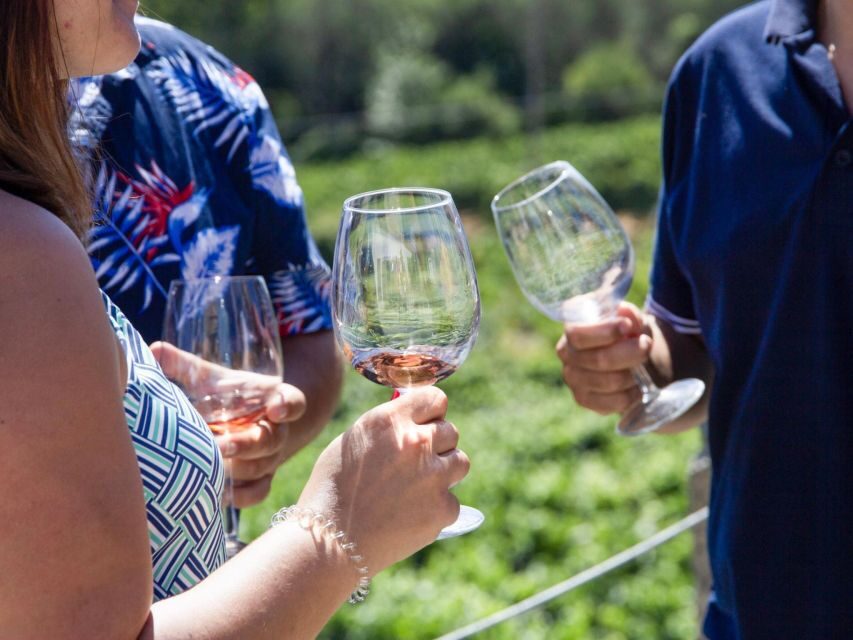
Sabrosa shows up twice in the schedule, and that’s a smart way to keep the day from feeling repetitive. The first Sabrosa stop lasts about 1.5 hours and includes a guided visit, lunch, and wine tasting. The second Sabrosa stop is about an hour with another visit and wine tasting plus scenic views on the way.
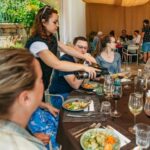
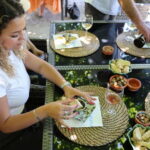
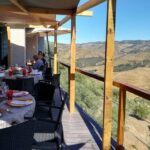
Let’s talk lunch, because it’s one of the most consistently liked parts of these tours. The meal is described as traditional, made with locally grown products. You’re also told vegetarian and gluten-free options exist if you request them in advance. That’s important, since “available on request” is only useful if you plan ahead and message the caterer before the tour.
In practical terms, this lunch block also serves as a reset. After driving and the earlier tasting stop, you get a proper sit-down meal. Then the tour takes you back out for another round of visits and tastings. It’s a nice rhythm for a 9-hour day.
If you enjoy chatting with guides, Sabrosa is also where you tend to get the most out of the human side of the experience. Guides named Nuno and Emanuel were highlighted for warm personalities, good pacing, and making the group feel welcome, which makes the tastings less formal and more like a day with a friend who happens to know wine.
Three estates with Port, table wine, and olive oil: what you’re actually paying for
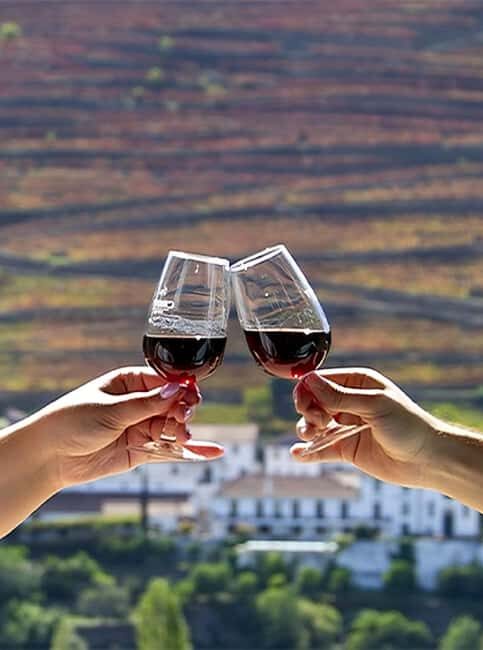
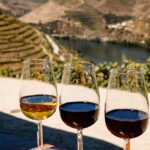
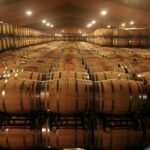
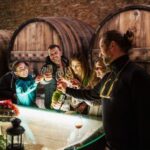
This is a 3-estate experience, and the tastings aren’t limited to wine alone. You’ll do Port wine and table wine tastings, and there’s also an olive oil tasting included as part of the guided visits.
That mix is a big part of the value. A lot of Douro tours focus only on wine, which can mean you spend half the day thinking about wine. Here, you get at least two other “flavor anchors” so the day feels broader than a checklist.
How the estates often feel in sequence:
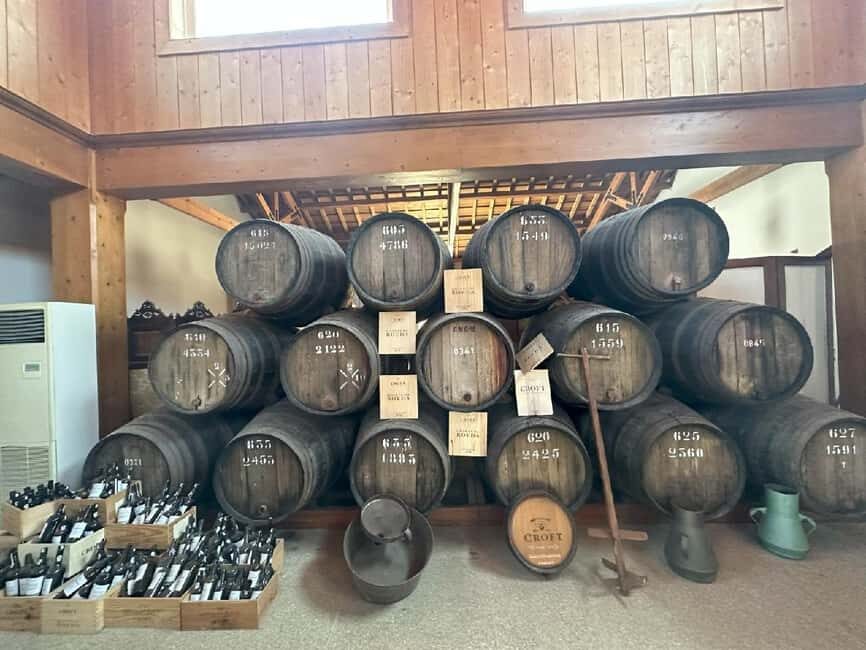
- You start with a larger or well-known producer on some departures (Croft was specifically mentioned as a starting point on at least one day), which sets the scene.
- Then you move to other estates with their own approach, so you can compare styles and learn what changes from place to place.
One key detail: the wineries you visit are subject to availability, and the operator may replace them with similar options without prior notice. That doesn’t mean the day is a gamble. It means the tour is designed around a consistent format: three estates, tastings, and guided time. Your experience should still follow the same structure even if the names shift.
More Quinta & winery visits in the Douro Valley & northern Portugal
Small group pacing (up to 8): why the day feels relaxed instead of rushed
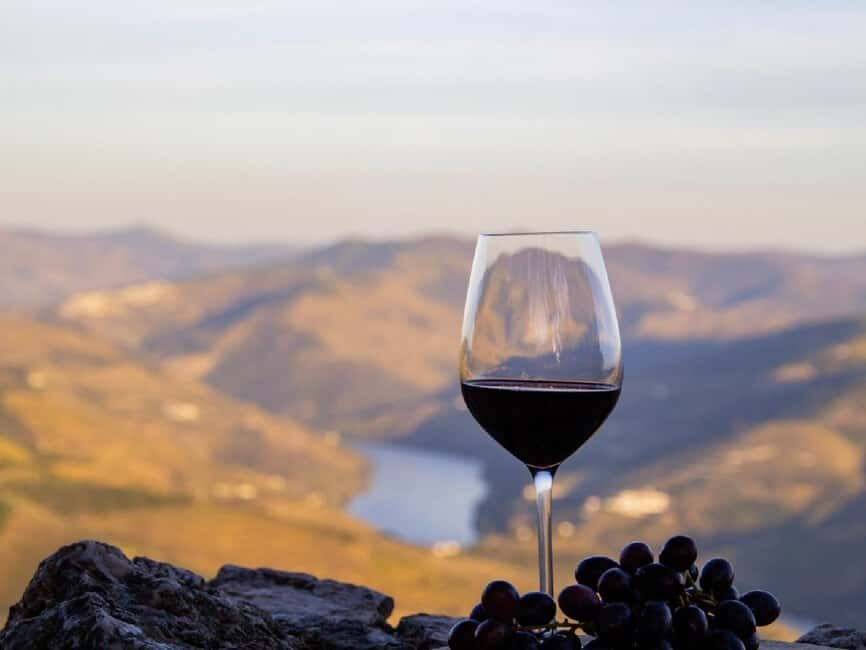
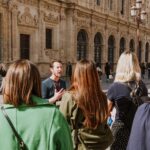
The small-group size is repeatedly part of the positive feedback. With up to eight people, you don’t just drink; you participate. The guide can keep an eye on questions, adjust timing, and explain things without constantly talking over the group.
It can also run smaller than expected. One day, the experience ended up just two people, which effectively turned it into a private feel. That’s not something you can count on, but it shows you what the “max eight” setup can become on quieter days.
Also notice the stop structure:
- A van ride time block
- A photo stop
- An hour in Pinhão
- A longer Sabrosa block with lunch
- Another Sabrosa tasting stop
- The return drive
That’s a lot of movement, but the pacing is built to prevent fatigue. If you’ve ever done a big group tour where you feel herded, this one’s format is the opposite. It’s still a full day, but it doesn’t feel like a factory line.
What to wear and bring for a Douro day (and what to skip)
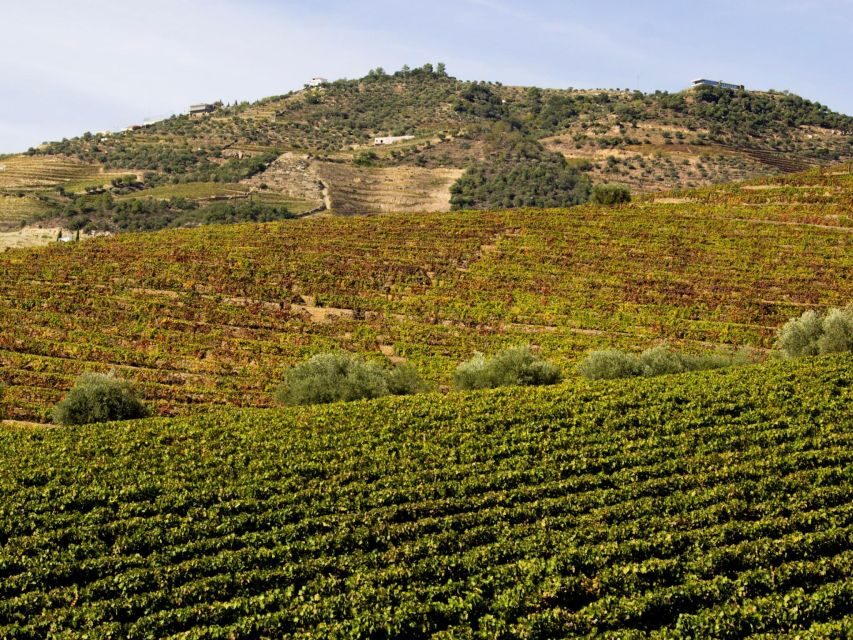
You’re walking around winery areas and viewpoints, so bring comfortable shoes. Wear comfortable clothes, and plan for temperature swings. The Douro Valley can be very hot in summer and cold in winter, so adjust for the season rather than assuming Porto weather will match.
Other practical notes:
- Camera is explicitly recommended, since scenic overlooks are part of the plan.
- You can’t bring luggage or large bags.
- Pets aren’t allowed.
- This tour isn’t suitable for people with mobility impairments.
If you’re traveling with an infant, infant seats must be requested before the day of booking. That’s one of those “small detail, big difference” items that can save you from last-minute stress.
The good news: all activities happen in covered and protected spaces, so the tour is designed to keep going even with weather changes.
Languages and guide style: Marco, Nuno, Emanuel, and the art of pacing
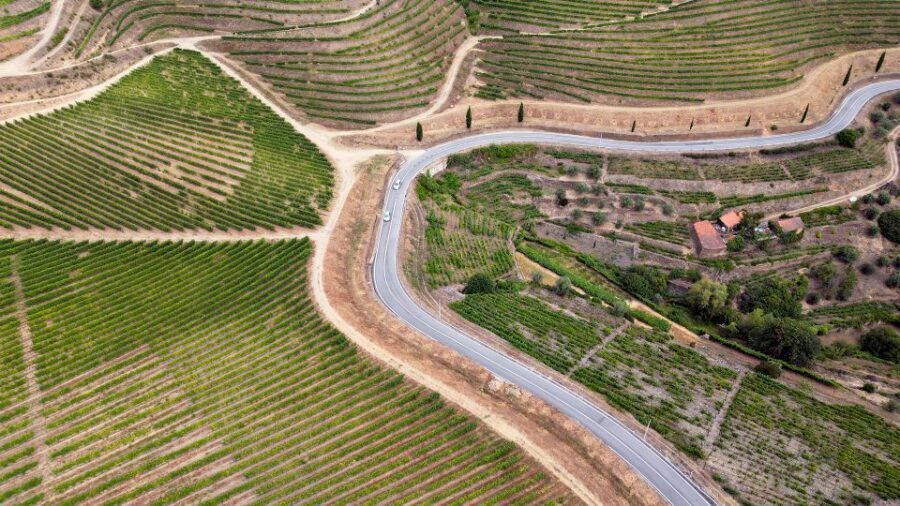
The guide communicates in English, Portuguese, Spanish, and French. In real life, that matters because the tastings and estate visits go further when you understand what you’re being told.
What stands out in the strongest feedback is guide pacing and personality. Marco was praised for being knowledgeable and for knowing when to stop talking and wait for questions. Emanuel was described as funny and perfectly comfortable in English, with a knack for getting the group settled and adding extra scenic photo stops along the way. Nuno was praised for extensive regional knowledge and a warm welcome that made people feel included.
You’ll get the most out of the day if you treat it like a conversation, not a script. Ask what you should notice during the tasting, ask how the Port differs from the table wine, and ask what the olive oil tasting is meant to teach you.
Price and value: is $147 for 9 hours worth it?
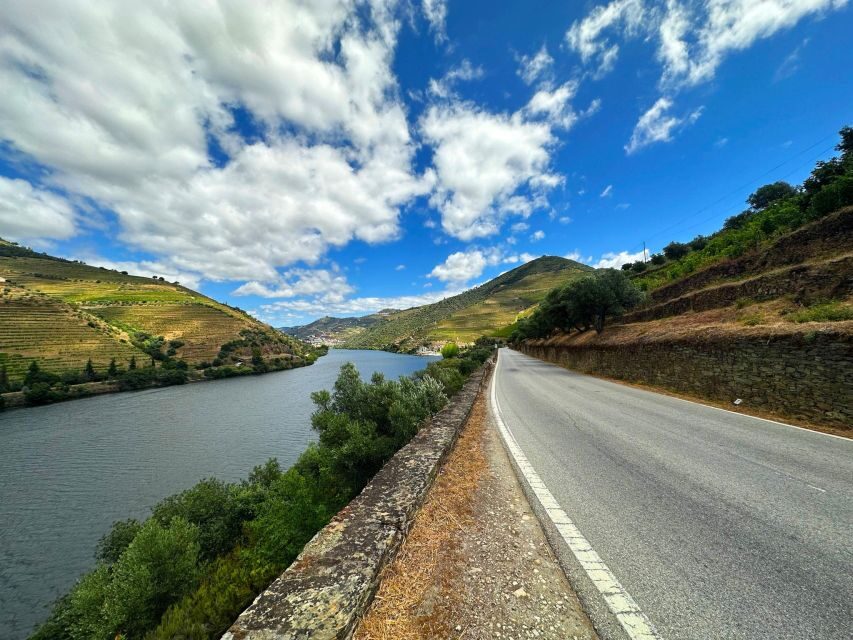
At $147 per person for a 9-hour day, you’re paying for a full package: transportation from Porto in a private vehicle, a professional guide, small-group touring (up to eight people), three estates, lunch, and multiple tastings including Port wine, table wine, and olive oil. You also get a bottle of water.
Is it a deal? It’s fair value if you want:
- guided estate visits (not just sitting with a wine flight)
- tastings at three different places
- a proper lunch included
- a route that prioritizes viewpoints and scenery
It’s less of a value match if you’re only casually interested in wine. If your priority is one winery and a relaxed morning, you might feel stretched by a full-day schedule.
Also remember: wineries may be swapped based on availability. That doesn’t change the format, but it does mean you shouldn’t book assuming one exact estate name.
Should you book this Porto Douro Valley tour?
Book it if you want a well-structured Douro day from Porto with three estates, Port plus table wine, olive oil tasting, and a traditional lunch, all paced for a small group. It’s a great fit for wine lovers who like learning from a guide, and for scenery seekers who want real viewpoints built into the route.
Skip it if you have mobility limitations (it’s not suitable), if you hate long driving days, or if you’re traveling with lots of luggage. Also, if you have tight dietary needs, message the operator in advance so vegetarian or gluten-free lunch is prepared correctly.
If you’re on the fence, here’s my simple decision rule: if you’re excited to spend most of the day in vineyards and tastings, this is the kind of organized experience that lets you enjoy the Douro instead of trying to figure out logistics on your own.
FAQ
How long is the Douro Valley tour from Porto?
The tour duration is 9 hours.
Where does the tour start and end?
You meet your guide at the bus stops next to Trindade Metro Station in central Porto, and the tour ends back at the meeting point.
How many vineyards or estates do you visit?
You get guided visits to 3 estates.
What do you taste during the tour?
The included tastings are Port wine, table wine, and olive oil.
Is lunch included, and are dietary options available?
Lunch is included. Vegetarian and gluten-free meal options are available if requested in advance.
How big is the group?
It’s a small group, up to 8 people.
What languages does the guide speak?
The live tour guide speaks English, Portuguese, Spanish, and French.
What should I bring?
Bring comfortable shoes, comfortable clothes, and a camera.
Is luggage or pets allowed?
No luggage or large bags are allowed, and pets are not allowed.
What about cancellations and refunds?
You can cancel up to 24 hours in advance for a full refund, and you can reserve now and pay later.