REVIEW · PORTO
Porto: Douro Valley Tour w/ 3 Tastings, Lunch, & Opt. Cruise
Book on GetYourGuide →Operated by Touch Tours Porto · Bookable on GetYourGuide
Porto to Douro is a wine day that moves fast. You’ll leave the city by van and head straight into the Douro Valley, Portugal’s UNESCO-listed wine country, with a plan built around tastings, good food, and small-group pacing. It’s the kind of day where even the stops for photos feel useful, not just busywork—plus you may get guidance from pros like Tiago, who keeps the day running smoothly.
What I really like is how many different flavors you get without feeling rushed. You start with local bites like almonds, bread, and honey, then you layer in winery tastings, lunch wine pairings, and an olive-oil experience. Second, the small-group limit (max 8) matters: you’re not stuck watching one person at a time while the next group blocks the view.
The main consideration: this is a long day with mountain roads, and it’s rain or shine. If you’re sensitive to tight timing or bumpy van rides, bring patience—and wear shoes you can stand in for tastings and scenic stops. Also, it’s not suitable for wheelchair users.
In This Review
- Key things I’d circle on your plan
- From Porto to the Douro: where the day’s value really comes from
- The first flavor stop: almonds, bread, honey, and early wine pairing
- Pinhão station tiles: Douro wine storytelling in plain sight
- Winery time: lunch that’s actually paired (not just served)
- Olive Oil Museum tasting: the Portugal detour that makes sense
- Tawny Port at the end: the mellow finish you’ll remember
- The optional rabelo boat cruise vs. a Pinhão stroll
- Amarante in the Green Wine heart: vinho verde with charcuterie and cheese
- Why the max-8 group size changes everything
- Practical tips so you enjoy every tasting
- Should you book this Porto to Douro day trip?
- FAQ
- How long is the Porto to Douro Valley tour?
- Where is the meeting point?
- How many people are in the group?
- What’s included in the price?
- Is the boat cruise included?
- What tastings and foods should I expect?
- What languages are the guides available in?
- Is this tour suitable for wheelchair users?
- Can I request a vegetarian meal?
Key things I’d circle on your plan
- Max 8 guests keeps the day personal and helps you actually hear the guide.
- 3 tasting moments plus lunch pairings, not just a single sip-and-go.
- Pinhão train station tiles give you Douro wine context while you’re still in the region’s vibe.
- Olive Oil Museum tasting adds a Portugal flavor angle beyond wine.
- Amarante stop for vinho verde and charcuterie/cheese gives you a second taste of Northern Portugal.
From Porto to the Douro: where the day’s value really comes from
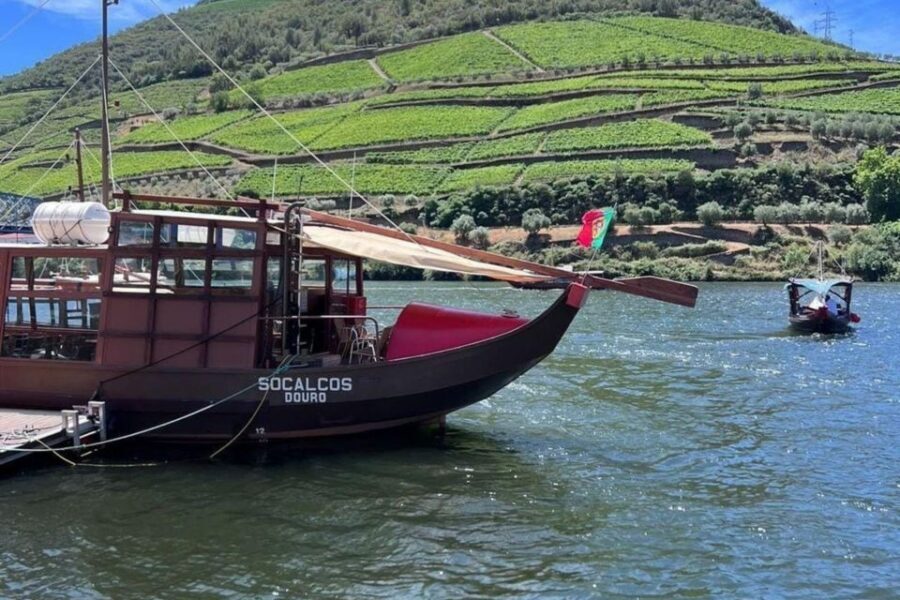
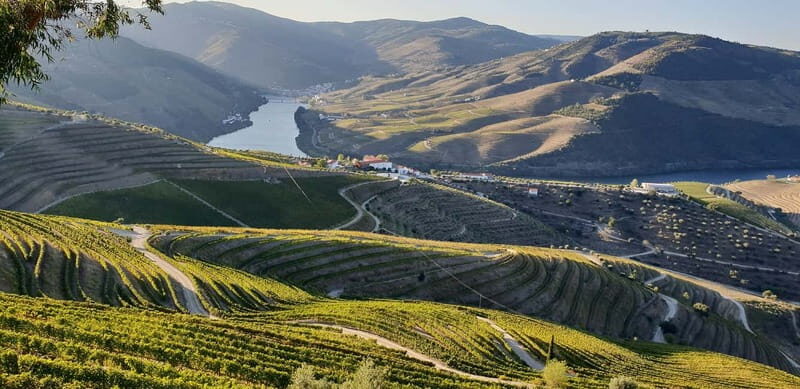
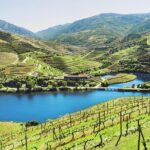
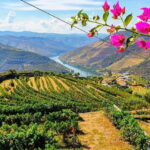
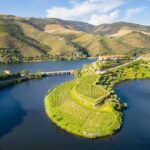
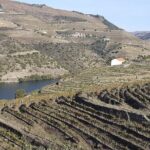
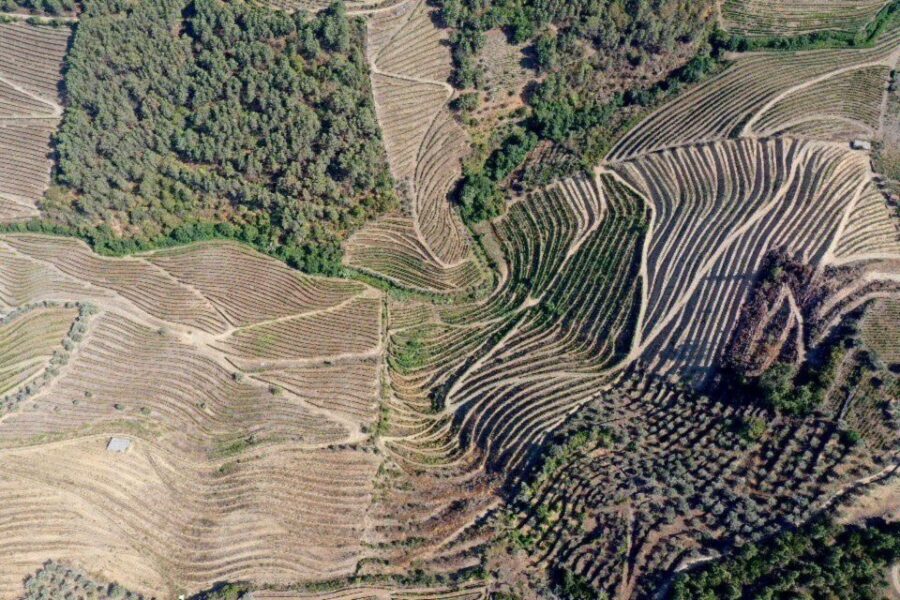
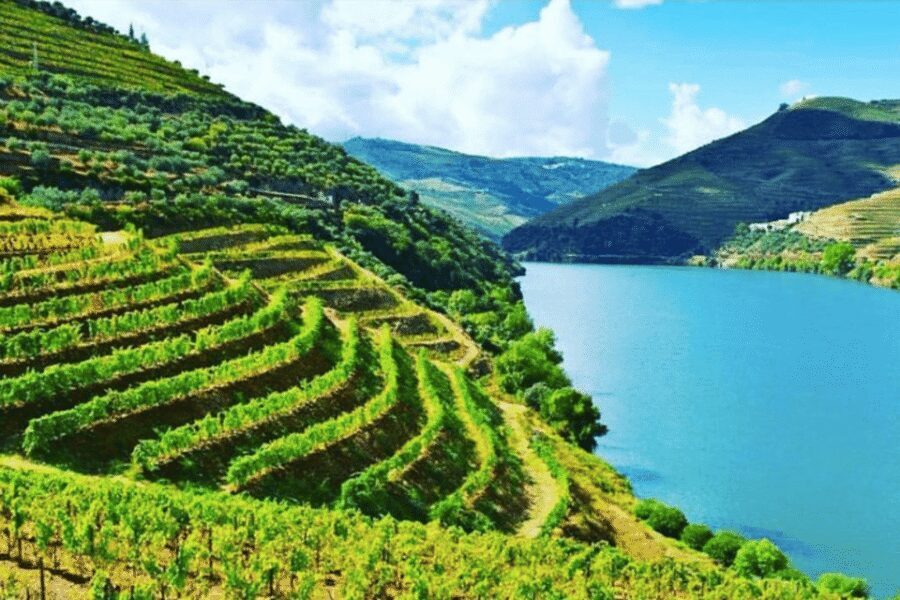
This tour is built for people who want Douro Valley beauty plus the stuff you can’t easily DIY with limited time. Yes, you’re going to see terraces and viewpoints. But the bigger value is the schedule: van transfer, multiple tastings, a proper lunch, and a focused culture stop. One day. One route. No hunting for reservations.
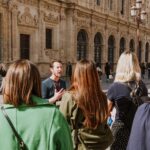
You also get comfortable transport with AC, plus a live guide in English, French, Spanish, or Portuguese (typically one language for the group). That matters because Douro wine isn’t just about taste—it’s about how the landscape shapes what ends up in your glass.
Logistics-wise, you meet at Touch Tours Store at R. de Cândido dos Reis 105. That’s helpful because you’re not wandering Porto at dawn trying to find a random pickup point.
More Douro Valley wine tours from Porto in the Douro Valley & northern Portugal

The first flavor stop: almonds, bread, honey, and early wine pairing
One reason this tour feels satisfying is the way it starts your palate. On the way into the valley, you’ll taste almonds, traditional bread, and honey, paired with Douro wines (reds, whites, and rosé). It’s a smart move for a day trip. Instead of saving all the tasting until later, you start calibrating flavors early—so the later tastings land better.
This is also where you’ll learn the basic “why” of Douro wine. You’re tasting while your guide is framing how the region works. That’s better than sampling blind and hoping the guide’s explanation clicks after lunch.
Tip: if you’re prone to getting lightheaded from wine, drink water between tastings. One guide on similar trips even offered water to make sure people stayed comfortable—so don’t be shy about pacing yourself.
Pinhão station tiles: Douro wine storytelling in plain sight
A big cultural touch is the stop at Pinhão train station, famous for its blue-and-white Portuguese tiles that narrate the Douro wine story. You could pass by that kind of decoration on your own and miss the meaning. Here, you’ll get the context so the artwork becomes part of the experience instead of just a photo backdrop.
Pinhão also works as a “reset” moment. You’re surrounded by the Douro’s mood—river views, hillside vineyards, and small-town rhythm. If the group has a window, you can also take a leisurely stroll and soak up the atmosphere at your own pace.
On a couple of departures, guides have added quick photo time at viewpoint areas near the valley. You might catch a short coffee/photo pause too—just don’t plan to treat those as guaranteed stops. The main win is the Douro itself plus the tastings.
Winery time: lunch that’s actually paired (not just served)
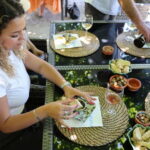
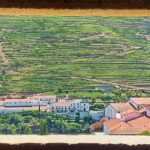
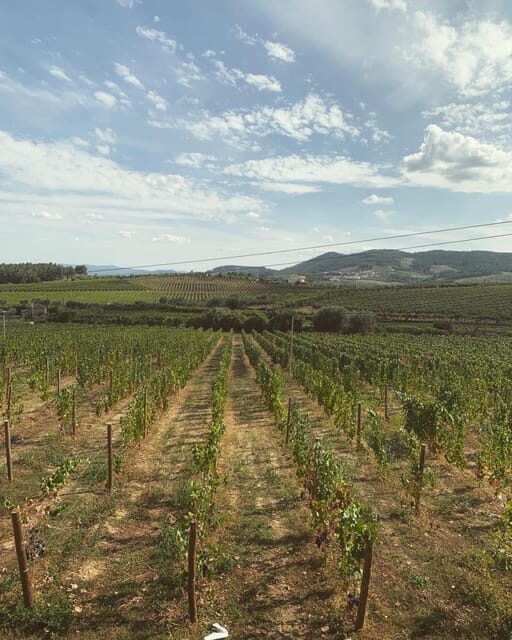
The heart of the day is the family-owned winery visit with an exclusive lunch. This isn’t buffet lunch. You’re looking at a menu format with starters, meat or fish main dishes, and dessert, then wine pairings that keep changing through the meal. You’ll sample white, red, rosé, and also Port-style elements as part of the lunch program.
Why this matters for value: wine tours can waste your money by giving you a few sips and then calling it “lunch.” Here, the meal is integrated into the tasting flow. You’re not just eating; you’re learning how wine shifts with food.
A realistic note: the day is structured, so you won’t have unlimited wandering time at every stop. But the upside is that the winery pacing usually feels calm—more like a guided sit-down day than a frantic hop-on hop-off sprint.
If you want a vegetarian meal, the tour notes that vegetarian options are typically available. It’s smart to confirm when you book, since details can vary.
Olive Oil Museum tasting: the Portugal detour that makes sense
After lunch, you go to the Olive Oil Museum for a tasting that goes beyond wine. You’ll taste olive oil alongside flavors like almonds and bread, plus a curated set of wines—again red, white, and rosé.
This works because it connects everyday Portuguese food to what you’re seeing in the region. Even if you’re a wine-first person, olive oil adds a different kind of “structure” to your palate: grassy notes, bitterness, and that lingering finish that makes wine feel sharper (in a good way).
You’ll also get a bit of cultural grounding. Portugal’s local products aren’t side quests here. They’re part of why the region tastes the way it does.
More lunch & wine experiences in the Douro Valley & northern Portugal


Tawny Port at the end: the mellow finish you’ll remember
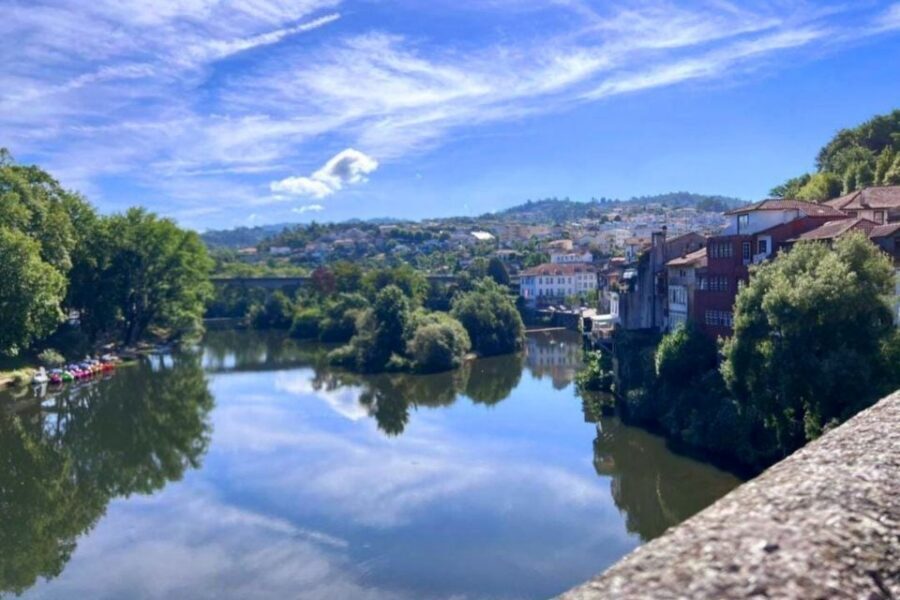
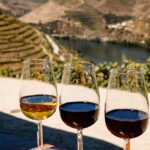
To close the tastings, you’ll try aged Tawny Ports from 10, 20, and 30 years old. This is the kind of tasting that feels like dessert without being just sugar. Older tawny Port tends to feel smoother and more complex, and tasting across the age range helps you notice how time changes the style.
It’s a strong ending because your palate is already warmed up from the winery lunch and olive oil tasting. By the time you reach Tawny 10/20/30, you’re not asking what you’re tasting—you’re starting to compare what age does.
If you’re not a Port person, don’t assume you’ll hate it. Many people end up enjoying the structured sweetness once they can compare multiple ages in one seated moment.
The optional rabelo boat cruise vs. a Pinhão stroll
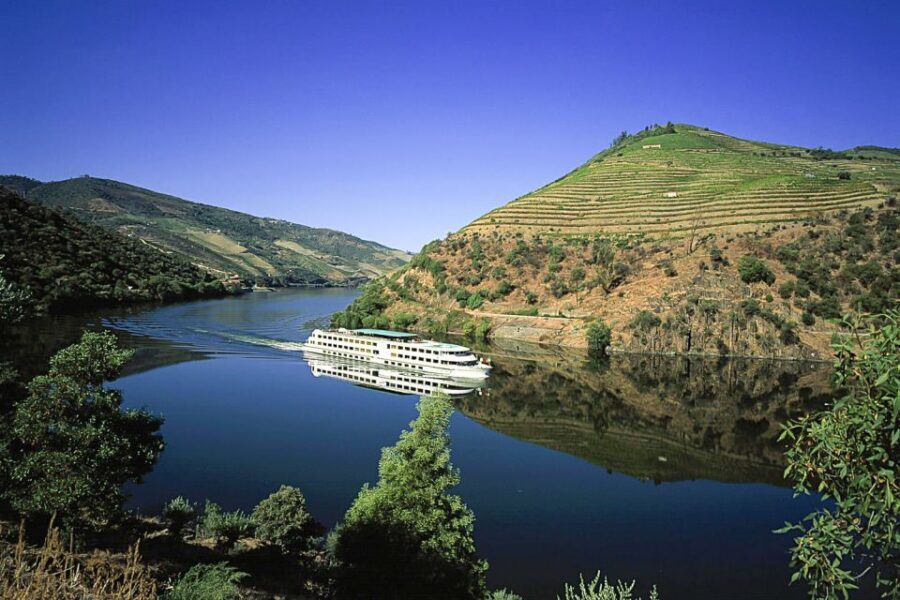
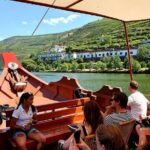
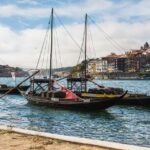
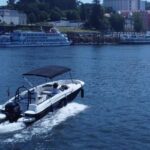
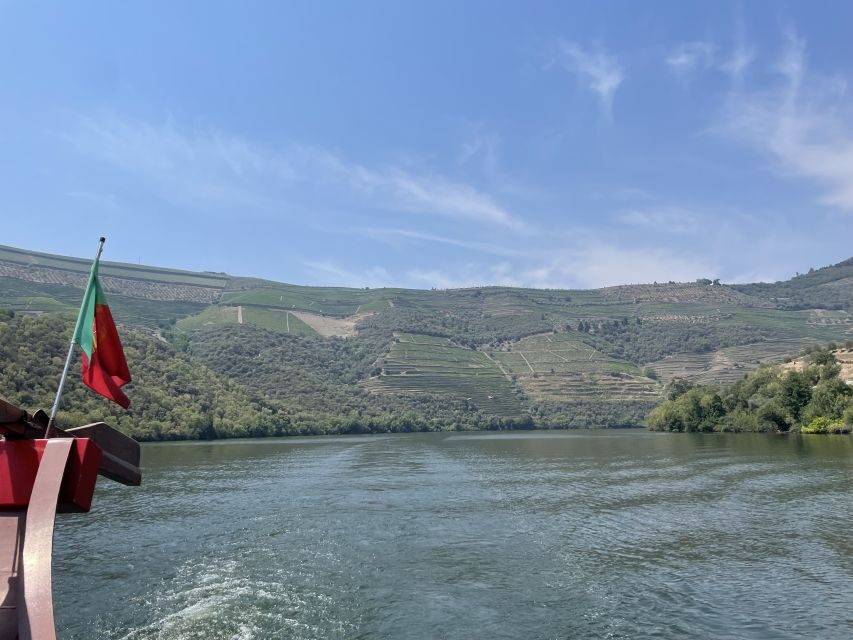
There’s a rabelo boat cruise option on the Douro River for €12.5, and you can buy it on the day at the pier. This is one of the few moments where you can choose your style.
- If you want the big scenic payoff, the boat adds a slow, river-level view of the valley.
- If you’d rather keep it light, you can skip it and enjoy time for a leisurely stroll in Pinhão.
I like having that choice because Douro days can be intense if you do everything. A boat trip can also be a great “breather” if you’ve already been standing a lot for photos and tastings.
Amarante in the Green Wine heart: vinho verde with charcuterie and cheese
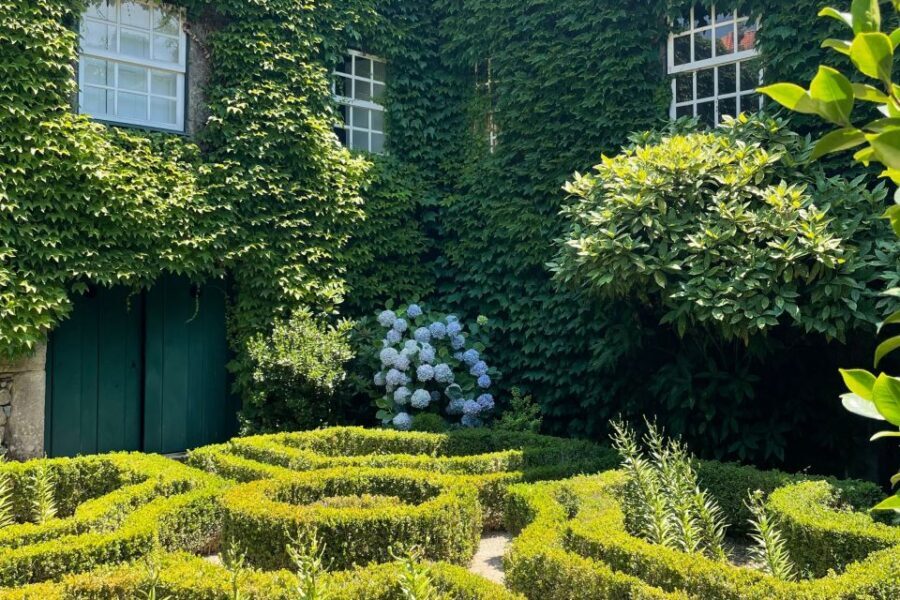
Before heading back to Porto, the day adds a stop in Amarante, described as the heart of green wine country. Here, you taste vinho verde, paired with charcuterie and cheese. It’s a nice contrast after all the Douro wine focus, because it keeps your day from feeling one-note.
You also get some time to explore Amarante’s old town streets and visit a church. That helps break up the wine-heavy rhythm and gives you a real sense of daily life in Northern Portugal, not just winery moments.
This stop also tends to feel local in the best way. On one such day, guides have been known to add small fun extras—like encouraging a bite of a traditional sweet treat (for example, doces falicos)—so the day doesn’t feel like a scripted checklist.
Why the max-8 group size changes everything
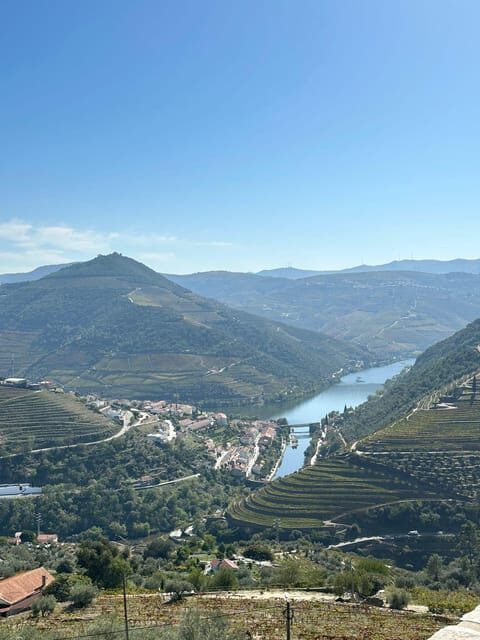
This tour caps at 8 guests, which is a big deal on a Douro day. In larger groups, you often spend time waiting, then barely hear the guide. Here, you can ask questions. You can react. You can actually pay attention instead of clock-watching.
Guides also tend to handle timing better with smaller numbers. Multiple guides on this type of route have been praised for keeping the pace comfortable, avoiding crowd bottlenecks when possible, and making sure everyone stays in sync. You’ll still be on a schedule, but it feels controlled rather than chaotic.
And the guide you get matters. Names you may meet include Tiago, Carla, Maria, Antonio, Pedro, Américo, Tania, Alex, and José—each highlighted for making the day feel fun, informative, and smooth.
Practical tips so you enjoy every tasting
- Wear comfortable shoes. You’ll stand for station views and tastings, and you’ll likely walk a bit in Pinhão and Amarante.
- Bring a hat and sunscreen. Even if clouds roll in, sun can still hit hard on valley roads and river viewpoints.
- Expect mountain roads. The van ride can feel tight and rocky at times, so don’t schedule a workout immediately after.
- Rain or shine. If you’re hoping for perfect weather, don’t count on it. Plan for wind and wet surfaces.
- Eat earlier if you’re picky about timing. The day is structured around tastings and lunch, so show up ready to snack and sip without needing a full meal first.
- No smoking in the vehicle, and no pets. If you’re traveling with a pet, you’ll need to arrange other plans.
Should you book this Porto to Douro day trip?
If you want a single-day Douro experience that’s more than a bus tour, this is a strong choice. The combination of multiple tastings, an actual lunch with pairings, an olive oil museum tasting, plus the optional rabelo cruise gives you a lot of “Portugal flavors” per hour.
You should book if:
- You like guided storytelling as you taste.
- You’d rather do one well-run day than piece together transport and reservations.
- You care about Port in a structured way (tasting Tawny 10/20/30).
You might skip or rethink it if:
- You can’t handle long days or mountain roads.
- You need wheelchair accessibility (the tour is not suitable for wheelchair users).
If you’re doing Porto and you want Douro Valley without the hassle, I’d say this tour is worth your time—and the small-group setup is what keeps the day from feeling like a factory line.
FAQ
How long is the Porto to Douro Valley tour?
It’s a one-day experience.
Where is the meeting point?
You meet at Touch Tours Store at R. de Cândido dos Reis 105.
How many people are in the group?
The tour is limited to a maximum of 8 participants.
What’s included in the price?
The tour includes a live guide, transportation between locations, comfortable AC vehicle, a regional vineyard visit, wine tasting, olive oil museum entry, lunch, and a panoramic tour along the High Douro Vineyard.
Is the boat cruise included?
A rabelo boat cruise is optional and costs €12.5, purchased on the day at the pier.
What tastings and foods should I expect?
You’ll have tastings including almonds, bread, honey, wine tastings (white, red, and rosé), a lunch with wine pairings, an olive oil museum tasting, and aged Tawny Ports (10, 20, and 30 years). In Amarante, you’ll also taste vinho verde with charcuterie and cheese.
What languages are the guides available in?
Live tour guides are available in French, English, Spanish, and Portuguese.
Is this tour suitable for wheelchair users?
No, it’s not suitable for wheelchair users.
Can I request a vegetarian meal?
Vegetarian meals are noted as available, typically as an option.