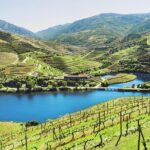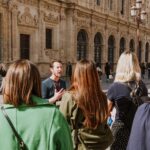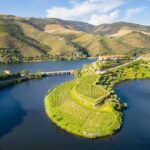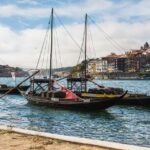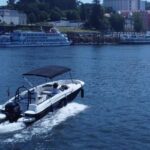
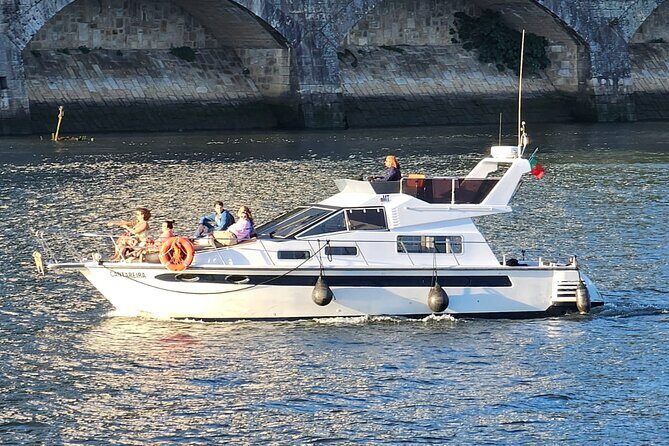
The Douro looks different from the water. This small-group river cruise strings together six bridges, riverside neighborhoods, and the route toward the ocean—paired with a welcome port wine and an easygoing crew that keeps the vibe friendly. You’ll also hear the kinds of details that help the city click: from why each bridge is named to what the old fishing spots and rabelos boats were for, all while you glide past Porto on one bank and Vila Nova de Gaia on the other.
Two things I especially like are the tight, small-group feel (max 8) and the way the tour mixes practical sightseeing with clear storytelling from crew members such as Isabel, Claudia, Jonas, and Bernardo. One consideration: parts of the ride are spent outside and can get chilly or windy, so bring layers for late-day departures.
If you want a guaranteed wow-factor, plan for views first and treat sunset as a bonus. The route can include calmer water stretches where you might catch dolphins, but that depends on conditions. Also, the meeting dock is not in the middle of the busiest boat cluster, so give yourself a little extra time to walk in.
In This Review
- Key Highlights You’ll Actually Notice
- A Two-Hour Douro Float With Six Bridges and Ocean Air
- Comfort, Port Wine, and a Crew That Keeps It Easy
- Bridge-by-Bridge: Porto and Gaia’s Connection at Every Level
- D. Luís I Bridge: Metal, Double-Deck, and Built to Connect
- Ponte da Arrábida: An Arch Bridge With a Strong Presence
- Infante Dom Henrique Bridge: More Than a Name
- D. Maria Pia Bridge: Who She Was, and Why the Name Stuck
- São João Bridge: Railway Power Replacing an Older Crossing
- Freixo Bridge: The Most Upstream Stop With Historical Weight
- Rabelos Boats, Old Fishing Areas, and Stories on the Water
- Cantareira and Foz do Douro: From River Life to Seaside Porto
- Cantareira: A Spot a Portuguese Singer Wrote About
- Foz do Douro: Beaches, Shoreline Views, and a Different Tempo
- The Lighthouse Stop: Seeing the Edge of Portugal From the Waterline
- Cais de Gaia and Ribeira: Porto’s UNESCO Waterfront, Seen in Reverse
- When to Go: Sunset, Dolphins, and Weather That Changes Everything
- Price and Logistics: What $21 Buys You (and What It Doesn’t)
- Should You Book This Douro River Tour?
- FAQ
- How long is the Douro River tour?
- Where does the tour start?
- What’s included in the price?
- What will I see during the trip?
- Is the tour good for families or kids?
- How many people are on the boat?
- Is a mobile ticket used?
- What if the weather is bad?
- Can I bring a service animal?
Key Highlights You’ll Actually Notice
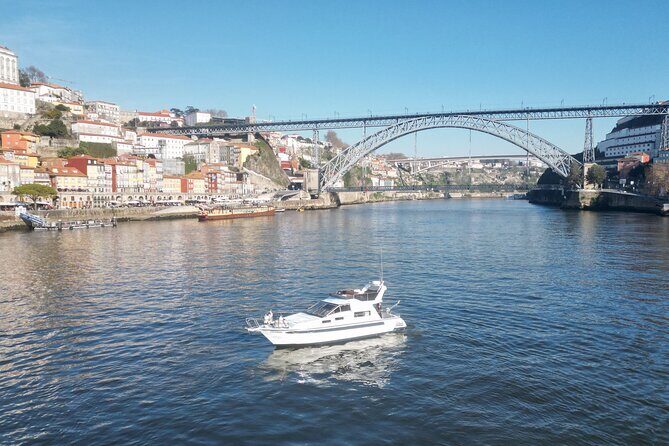
- Under six bridges: from D. Luís I to Freixo, each one with a quick why-it-matters story
- Port wine welcome drink: included up front, not an afterthought
- Small-group comfort: seating and deck space feel more personal than on big boats
- Rabelos boat context: learn what those classic cargo vessels did on the Douro
- Porto and Gaia in one loop: you see UNESCO Waterfront vibes from the opposite bank
- Late afternoon magic potential: sunset near the coast is a real possibility when timing lines up
A Two-Hour Douro Float With Six Bridges and Ocean Air
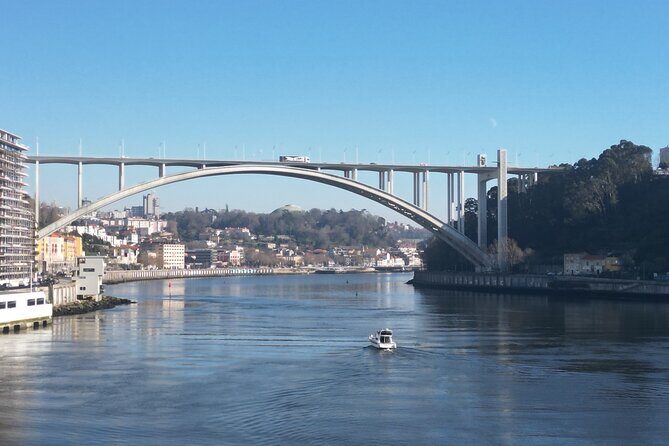
This tour is built for people who want “main sights” without the stress. You spend about two hours cruising along the Douro River from Porto’s side out toward where the river meets the sea. The highlight is that you don’t just skim the waterfront—you move through the stretch where the river becomes a stage for bridges, neighborhoods, and working-water details.
The big idea is simple: Porto and Vila Nova de Gaia are not two separate places. The river divides them, shapes how people lived, and even affects how the city’s identity shows up in the architecture you see from the deck. Once you make that mental switch, everything starts to connect.
You’ll also learn to “read” the skyline quickly. Bridges are not just pretty structures here; they’re evidence of engineering shifts, old names that honor Portuguese figures, and transportation changes across the river. And when you head toward the coast, the scenery loosens up. It feels less like city-corridor sightseeing and more like a long, slow scenic ride.
More Douro River cruises in the Douro Valley & northern Portugal

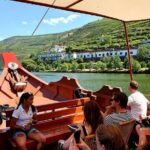
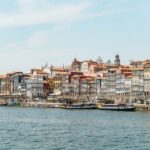
Comfort, Port Wine, and a Crew That Keeps It Easy
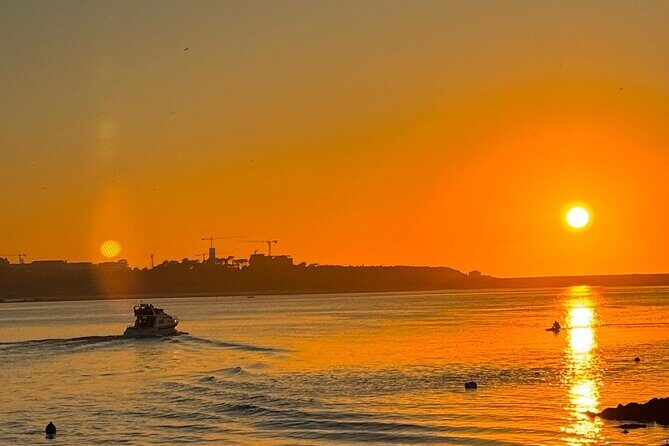
For $21, the value comes from how much time you’re actually on the water—and how friendly the service feels. This isn’t a long, bus-style day. It’s a compact experience where you can relax, look around, and still get enough context to make the views worth your attention.
A few comfort points that matter in real life:
- Small group (max 8) means you’re not fighting for sightlines.
- The boat is kept in good condition, and the ride is designed to feel comfortable rather than cramped.
- When weather turns cool, you can get blankets—a practical touch that turns chilly late-day wind into something you can handle.
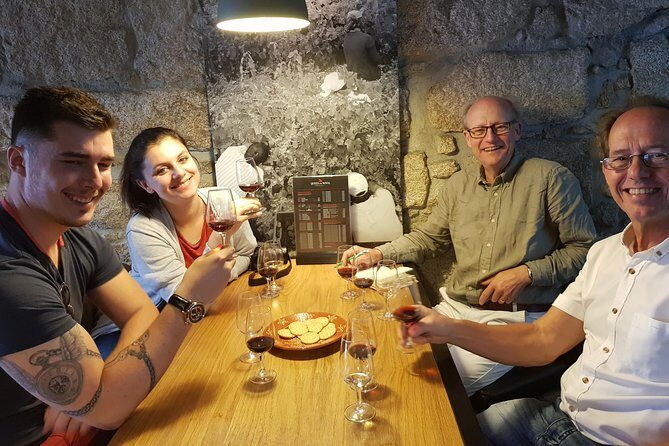
Then there’s the drinks. You get a port wine welcome drink. On many departures, there’s also snacks alongside the wine, which makes the experience feel like a proper tasting moment rather than just a single sip.
This kind of setup also works well if you’re traveling as a couple or family. You’ll see how the crew accommodates different needs (for example, life vests are available for kids), without turning the trip into a rigid “everyone stay seated, no fun” experience.
Bridge-by-Bridge: Porto and Gaia’s Connection at Every Level
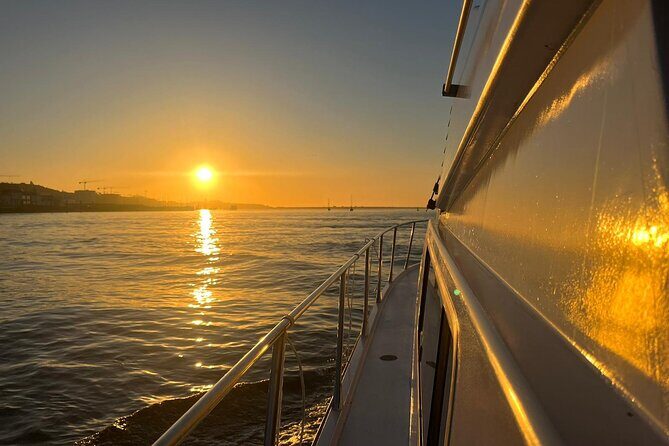
The tour’s bridge sequence is the backbone of the outing. You pass under them, you hear the names explained, and you start to understand why there are multiple crossings instead of just one.
D. Luís I Bridge: Metal, Double-Deck, and Built to Connect
You’ll begin with the famous D. Luís I Bridge, a metal structure with two decks, built between 1881 and 1886. The key is that it physically links Porto and Vila Nova de Gaia across the Douro. From the water, you get a different sense of scale: the bridge doesn’t just hang over the river—it frames the entire ride.
Ponte da Arrábida: An Arch Bridge With a Strong Presence
Next comes Ponte da Arrábida, an arch bridge connecting Porto and Vila Nova de Gaia. The arch shape tends to look especially dramatic from the river because it mirrors the curve of the waterway. You’ll get context for how it fits into the crossing history of the corridor.

Infante Dom Henrique Bridge: More Than a Name
After D. Luís I, you’ll hear about the Infante Dom Henrique bridge—named in honor of Infante D. Henrique. This part matters because it explains the Portuguese tradition of honoring historical figures through infrastructure names. It also helps you feel less lost when you notice bridges labeled with names that don’t immediately mean anything to you on sight.
D. Maria Pia Bridge: Who She Was, and Why the Name Stuck
Then the tour turns to D. Maria Pia. You’ll learn who she was and why the bridge carries her name. It’s a quick but helpful reminder that city landmarks often preserve stories from older centuries. Even if you only catch the highlights, it gives meaning to what you’re seeing.
São João Bridge: Railway Power Replacing an Older Crossing
You’ll also see the São João Bridge, described as railway infrastructure carrying the Northern Line over the Douro close to Porto. The tour explains why it was built: it replaced the older D. Maria Pia Bridge. When you hear that, the bridge stops being “another structure” and becomes a snapshot of changing transportation needs.
Freixo Bridge: The Most Upstream Stop With Historical Weight
Finally, you’ll reach the Freixo Bridge, the most upstream bridge on the Douro. The emphasis here is on importance and history. From the water, upstream crossings often feel different from the iconic city-center bridges—you notice how the river’s shape and neighborhoods shift as you move along.
If you’re the kind of person who likes to look at things and immediately understand what you’re looking at, this bridge segment is a win.
Rabelos Boats, Old Fishing Areas, and Stories on the Water
Between the bridge moments, the cruise slows your thinking in the best way. You glide past river-life visuals that help explain how people used the Douro long before it became a postcard route.
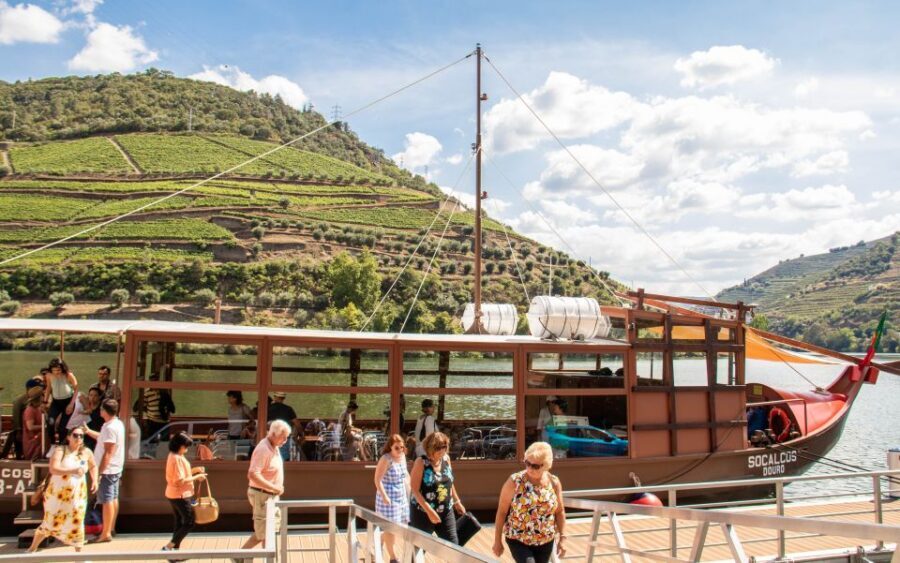
One of the most memorable elements is the rabelos boats. These classic boats are part of the river’s working history. You’ll be shown what they are and what their role/characteristics were, which makes them feel like more than just a decorative symbol. It’s the kind of info that turns a “saw a boat” photo into a “this matters” memory.
You’ll also pass older fishing and local areas. The tour includes an old fishing village stop, with explanations about how these communities fit into the river story. Even when you’re just seeing buildings and shorelines from the deck, the guide’s framing helps you imagine daily life: work, trade, and the river as the highway.
And then there are the Porto-and-Gaia contrasts. The Douro divides the cities, and the tour points out historical factors, plus stories and myths linked to the riverside. The myth part is light, but it adds color. You don’t leave with a textbook; you leave with images and context that stick.
Cantareira and Foz do Douro: From River Life to Seaside Porto
As the cruise progresses, you’ll reach areas that feel more open and breezy. This is where Porto starts to look less like a tight river corridor and more like a city connected to the coast.
Cantareira: A Spot a Portuguese Singer Wrote About
In the Cantareira area, you’ll hear about a famous Portuguese singer who wrote about the same place and learn a bit about why that matters. Even if you don’t know the reference ahead of time, the point is clear: some neighborhoods are famous because artists kept returning to them, turning place into culture.
Foz do Douro: Beaches, Shoreline Views, and a Different Tempo
Then comes Foz do Douro, an affluent seaside area known for sandy beaches like Praia da Luz and Praia do Homem do Leme. You’ll get the historical context for why this stretch developed the way it did and what makes it feel distinct from the urban riverfront.
From the boat, beaches are useful because they show you the river’s endgame. You can see the shift from working waterfront energy to coastal relaxation space. That contrast is one of the reasons this tour feels like more than “just bridges.”
The Lighthouse Stop: Seeing the Edge of Portugal From the Waterline
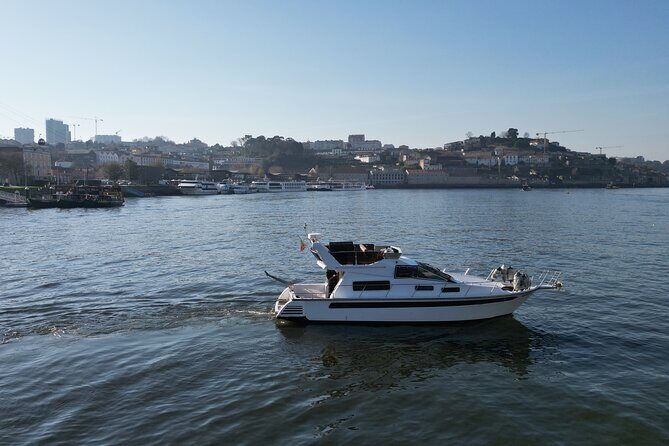
You’ll also discuss a lighthouse you pass along this segment. The tour covers when it was created, what it was used for in the past, and why the surrounding area feels special.
Even without a long walk, a lighthouse stop is valuable because it changes your view. The river isn’t only a city feature anymore—it’s also a navigational system. From a boat, you can sense how practical structures like lighthouses were essential before GPS and modern shipping systems.
Cais de Gaia and Ribeira: Porto’s UNESCO Waterfront, Seen in Reverse
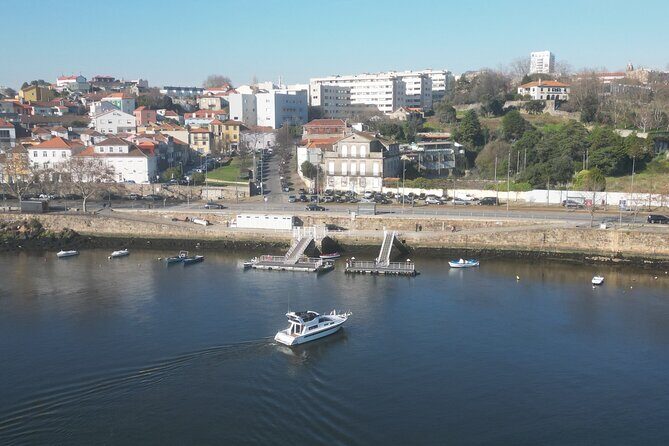
Back on the Porto–Gaia story, you’ll cover Cais de Gaia on the Vila Nova de Gaia side. It’s a tourist area with terraces, restaurants, and bars, opposite Porto’s historic waterfront. What’s useful here is not just what the neighborhood looks like, but why it works: you’ll learn about its importance in tourist and economic terms.
Then you’ll focus on Ribeira, one of the oldest and most typical spots in Porto, located in the parish of São Nicolau. The cruise frames Ribeira as part of the Historic Center of Porto, which is UNESCO World Heritage. From the water, Ribeira’s layout makes more sense. Streets and facades stop looking random and start looking like a riverfront built for life along the water.
This is the section where the tour feels most like a “connect the dots” experience. You’ve watched bridges link cities; now you see why people settled here in the first place.
When to Go: Sunset, Dolphins, and Weather That Changes Everything
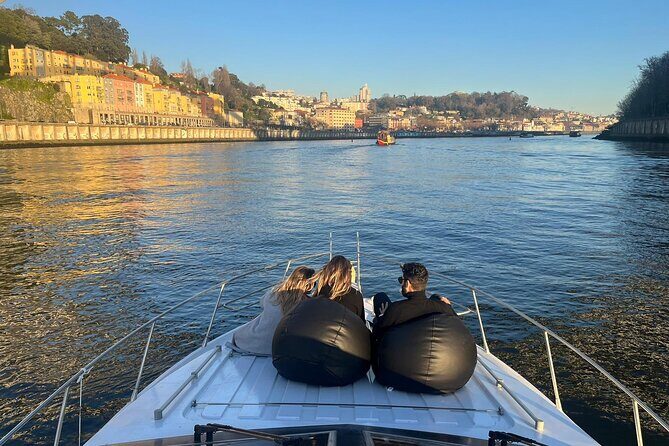
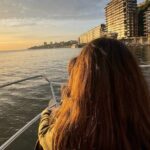
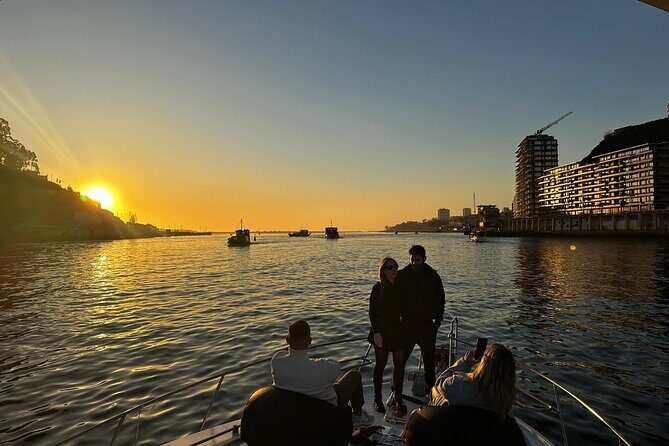
Timing matters on this trip. If you choose a late afternoon departure, you might get sunset near the ocean, which turns the final stretch into a golden-hour show. That said, it’s not a guarantee; clouds and wind can make things quieter, colder, or both.
You’ll also hear about the possibility of seeing dolphins, which can happen on some outings when conditions cooperate. You can’t book dolphins like a restaurant reservation, but the route does take you through the kind of waters where it’s a realistic hope.
My practical advice: dress for wind and chill. Even when Porto looks mild from the streets, the deck gets exposed. The good part is that blankets are provided, and the crew can help you stay comfortable.
Price and Logistics: What $21 Buys You (and What It Doesn’t)
At $21 for around two hours, this tour is priced like a value-friendly activity. You’re paying for time on the water plus guided context that helps you understand the bridges and shoreline areas, not just sit for scenic photos.
Here’s what the price does cover:
- Port wine welcome drink
- A guided experience that explains bridge names, river context, and key waterfront zones
What it does not include:
- Private transportation (so you’ll want to plan how you get to the meeting point yourself)
Meeting point is R. do Ouro 160, 4150-685 Porto. Because the dock is not smack in the center of every other boat operation, I’d give yourself extra walking time. It’s also smart to arrive early so you’re not rushing while trying to take in the waterfront.
And one more practical detail: this experience uses a mobile ticket. Have your phone ready when you arrive.
Should You Book This Douro River Tour?
I think you should book it if you want a short, high-reward Porto experience: bridges, river context, and a relaxed ride with a welcoming crew. It’s a strong choice for first-timers who want to learn the city’s layout fast, and it’s also great if you’ve already done the basics and want a different angle on Porto and Gaia.
Skip it (or adjust expectations) if you’re looking for a long, action-packed excursion with nonstop stops. This is more of a smooth, guided viewpoint experience than a tour with lots of walking. And if cold weather bothers you, pick your timing carefully, since you’ll spend time outside on the deck.
If your priority is views you can actually enjoy without crowds, and you like turning sightseeing into understanding, this is one of the better “two-hour wonders” on the Douro.
FAQ
How long is the Douro River tour?
The tour lasts about 2 hours.
Where does the tour start?
It starts at R. do Ouro 160, 4150-685 Porto, Portugal and ends back at the same meeting point.
What’s included in the price?
The included item listed is a port wine welcome drink. Many guests also note snacks during the cruise.
What will I see during the trip?
You’ll see both banks of Porto and Vila Nova de Gaia, including major bridges, riverside areas like Afurada/Cantareira/Foz do Douro, a lighthouse segment, Cais de Gaia, and Porto’s Ribeira area.
Is the tour good for families or kids?
It’s designed for most travelers, and the crew can provide life vests for children.
How many people are on the boat?
The tour has a maximum of 8 travelers, keeping it small-group.
Is a mobile ticket used?
Yes, the tour uses a mobile ticket.
What if the weather is bad?
The experience requires good weather. If it’s canceled due to poor weather, you’ll be offered a different date or a full refund.
Can I bring a service animal?
Yes, service animals are allowed.